Most guys learn about money by accident, a mix of what their parents did, what worked for a friend, and whatever showed up in their feed last week. That's a rough way to build a financial foundation. These four books are the ones that actually stick, not because they're the flashiest, but because each one solves a different part of the problem: mindset, execution, investing mechanics, or the initial wake-up call.
All four are available on Amazon in paperback and Kindle, so pick whichever format you'll actually finish.
#1 Editor's Pick: The Psychology of Money
Morgan Housel's central argument is that doing well with money has almost nothing to do with intelligence and almost everything to do with behavior, and that single idea reframes the entire topic. Instead of formulas, the book is built from 19 short, punchy stories about how people actually think about risk, luck, and enough. It's the rare finance book that reads like it was written by someone who wanted you to enjoy reading it, which is exactly why it's the best entry point if you've never picked up a finance book before.
Quick Comparison: Our Top Picks
| Book | Best For | Rating | Price | |
|---|---|---|---|---|
| The Psychology of Money | Editor's Pick | 4.7 | ~$14 on Amazon | Shop on Amazon → |
| I Will Teach You to Be Rich | Most Actionable | 4.7 | ~$15 on Amazon | Shop on Amazon → |
| The Simple Path to Wealth | Best for Investing Mechanics | 4.7 | ~$16 on Amazon | Shop on Amazon → |
| Rich Dad Poor Dad | Best Wake-Up Call | 4.7 | ~$10 on Amazon | Shop on Amazon → |
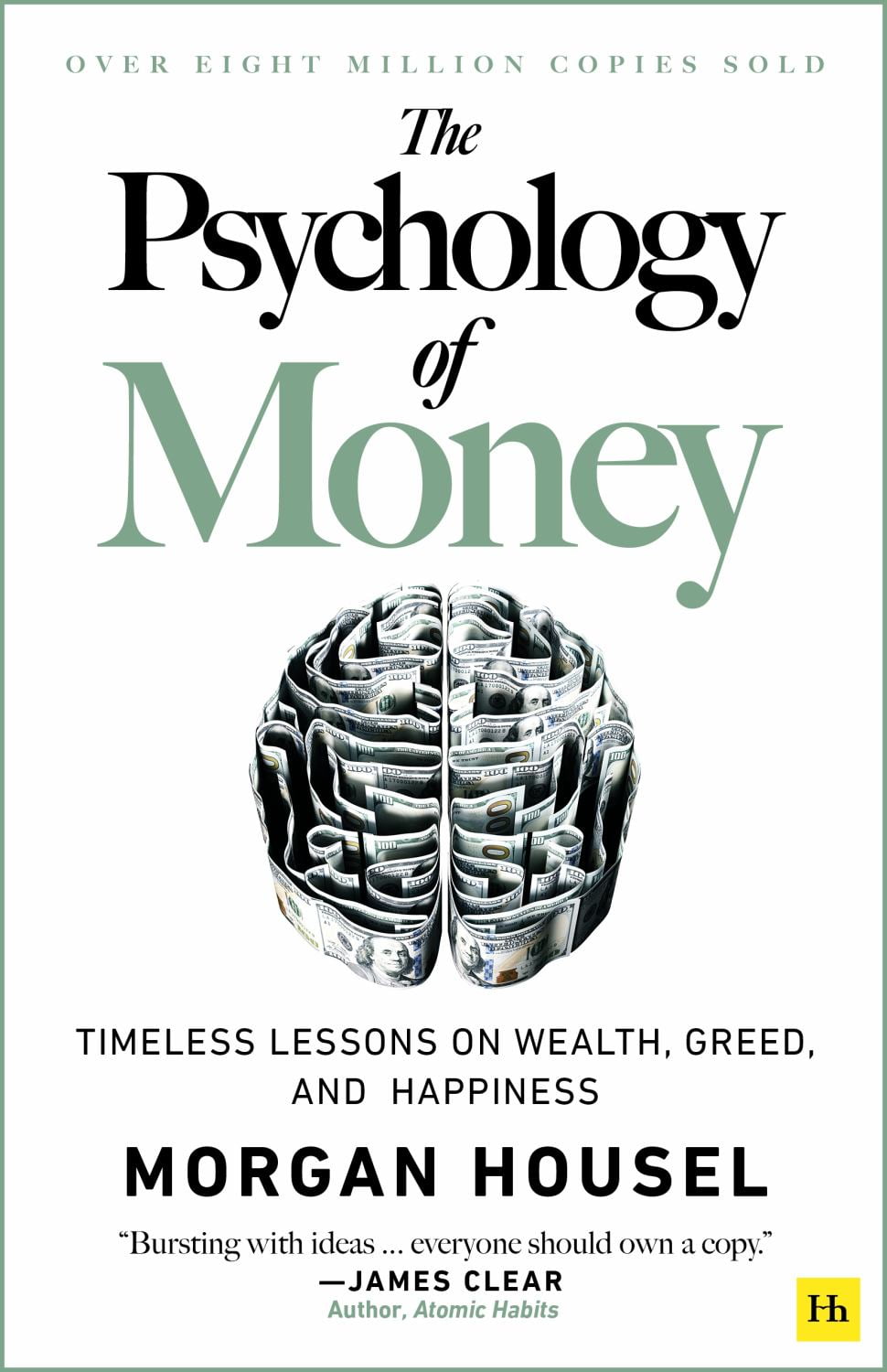
The Psychology of Money by Morgan Housel
19 short stories on how behavior, not intelligence, determines financial outcomes. No spreadsheets, no jargon, just genuinely useful reframing of how to think about risk, saving, and what "enough" means. The single best starting point if finance books have never clicked for you before.
#2 Most Actionable: I Will Teach You to Be Rich
Where Housel's book changes how you think, Ramit Sethi's gives you an actual system to run. It's structured as a 6-week program: open the right accounts, automate your savings and bill payments, negotiate your fees, and start investing on autopilot, all without needing to become a spreadsheet person. Sethi's whole pitch is spending guilt-free on the things you actually care about once the boring stuff is automated, which is a healthier framing than pure deprivation-based budgeting.
I Will Teach You to Be Rich by Ramit Sethi
A concrete, step-by-step 6-week program covering banking, saving, budgeting, and automated investing. Built for people in their 20s and 30s who want a system, not just philosophy. The pick if you finish finance books thinking "okay, but what do I actually do."
#3 Best for Investing Mechanics: The Simple Path to Wealth
JL Collins started this book as a series of letters to his daughter, and that origin shows in the tone, it's patient, direct, and never condescending. Where it earns its spot on this list is the investing section: a genuinely clear explanation of index fund investing, why low fees compound into massive differences over decades, and why most people are better off ignoring individual stock picking entirely. If "I want to start investing but don't know where to begin" describes you, this is the book.
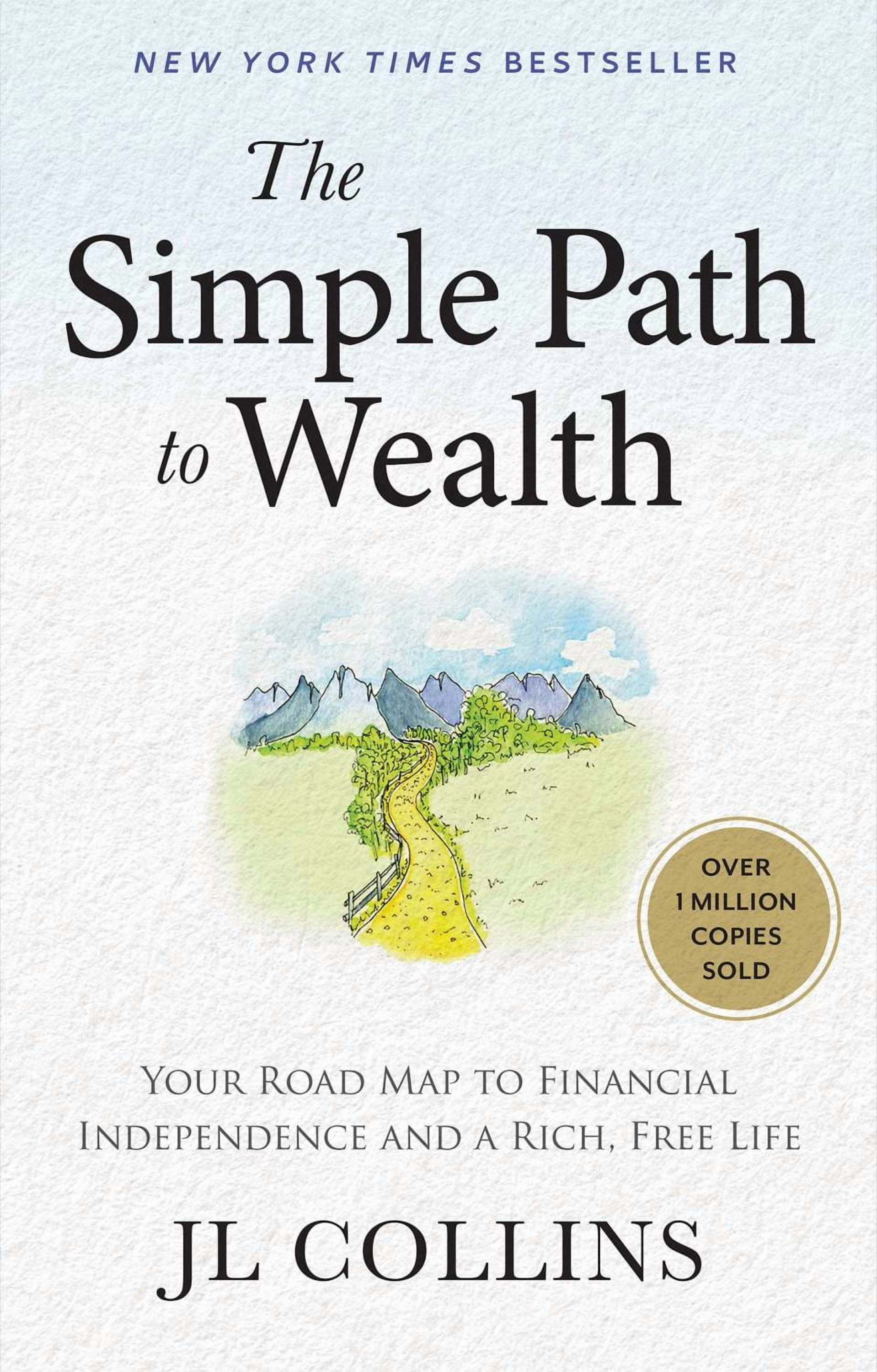
The Simple Path to Wealth by JL Collins
The clearest plain-English explanation of index fund investing and why low fees matter more than most people realize. Practical, unhyped, and specific about mechanics rather than mindset alone. The pick once you're ready to actually put money to work.
#4 Best Wake-Up Call: Rich Dad Poor Dad
This one earns its spot on cultural impact as much as tactical advice. Robert Kiyosaki's core distinction, that assets put money in your pocket and liabilities take it out, regardless of what they look like on paper, has genuinely shifted how millions of people think about their house, their car, and their income. Some of the specific investment advice hasn't aged well and shouldn't be followed literally, but as the book that gets guys who've never thought about money to start thinking about it, nothing else on this list has the same track record.
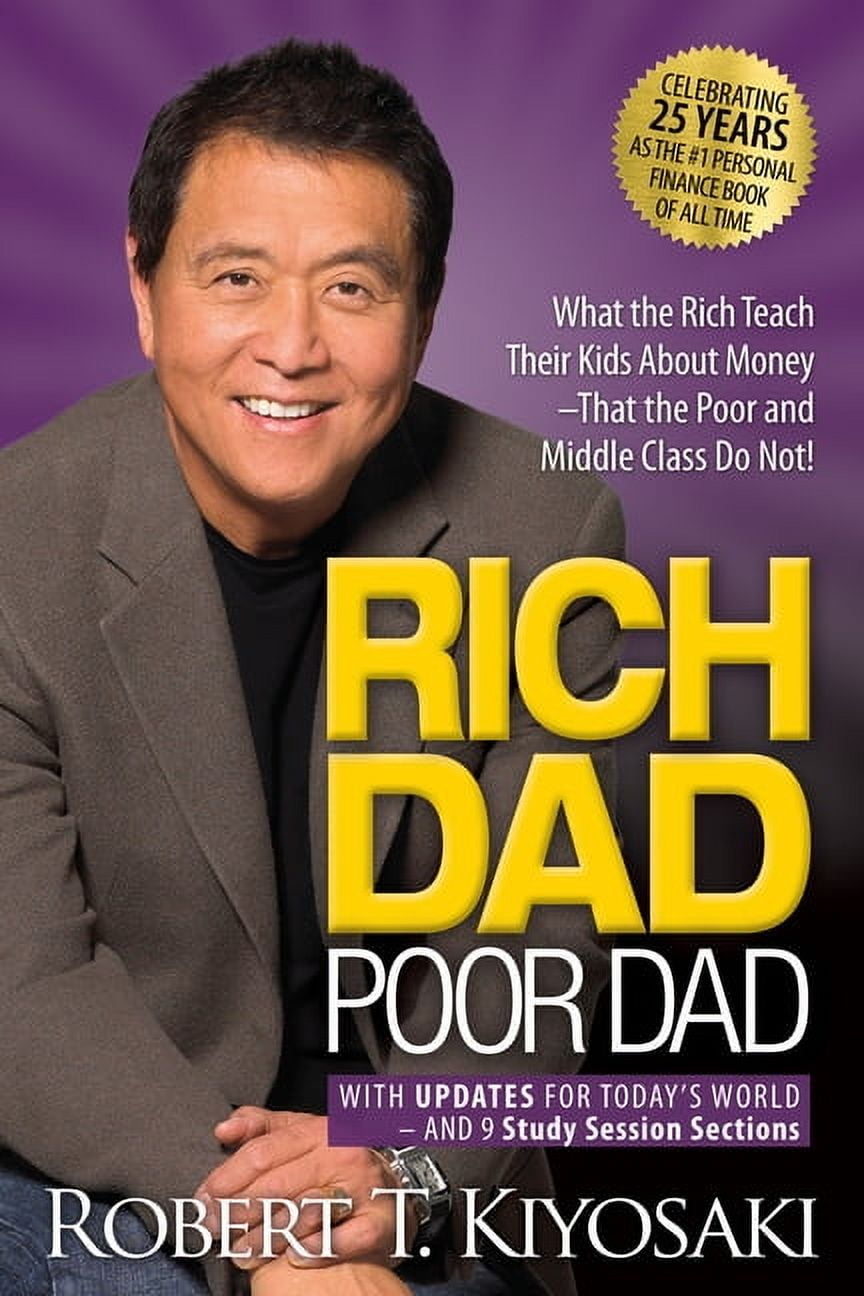
Rich Dad Poor Dad by Robert Kiyosaki
The assets-versus-liabilities mindset shift that's influenced more people than almost any other finance book written. Some specific investment tactics are dated, treat it as a mindset read, not a literal how-to guide, and pair it with a more tactical pick like The Simple Path to Wealth.
Quick Reference - All 4 Picks at a Glance
Start with Rich Dad Poor Dad or Psychology of Money for the mindset shift, then move to I Will Teach You to Be Rich for the system, then Simple Path to Wealth once you're ready to actually invest.
How to Actually Pick One
If you've never read a finance book before
Start with The Psychology of Money. It's short, engaging, and won't make you feel like you're back in a classroom.
If you want a system, not just theory
I Will Teach You to Be Rich gives you literal steps to take, in order, this week.
If you're ready to actually invest
The Simple Path to Wealth is the clearest explanation of index fund investing available, no finance degree required.
Personal Finance Book FAQs
What is the best personal finance book for men to start with?
The Psychology of Money by Morgan Housel is the best starting point for most guys, since it focuses on financial behavior and mindset rather than spreadsheets, making it approachable even if you've never read a finance book before.
What's the best book for actually building a step-by-step money system?
I Will Teach You to Be Rich by Ramit Sethi is the most actionable pick, laying out a concrete 6-week program for automating savings, investing, and spending guilt-free on what you actually care about.
Is Rich Dad Poor Dad still worth reading in 2026?
Yes, as a mindset shift about assets versus liabilities, even though some of its specific investment advice is dated. Pair it with a more modern, tactical book like The Simple Path to Wealth for the how-to details.