Why Home Bitcoin Mining Is Worth Trying in 2026 (Even If You Never Find a Block)
Our last piece on home Bitcoin mining walked through the hardware and the honest math: profitability moves with electricity rates, difficulty, and Bitcoin's price, and solo mining odds at home scale are genuinely long. All of that is still true. But that framing leaves out something worth saying directly: there are real, non-hypothetical reasons this hobby is worth trying in 2026, independent of whether you ever hit a block.
People are actually finding blocks with this hardware
This isn't a theoretical possibility dangled to sell hardware. Home miners running small, consumer-grade devices have found real, confirmed Bitcoin blocks. A cluster of open-source miners running through a self-hosted node found a block in late 2025 worth roughly $342,000. Since mid-2024, the broader open-source home mining community has confirmed multiple block wins using compact desktop devices, not warehouse-scale operations. The odds on any single device are long, but "long odds" and "has never happened" are very different things, and this one keeps actually happening.
Some of these devices are genuinely useful heaters
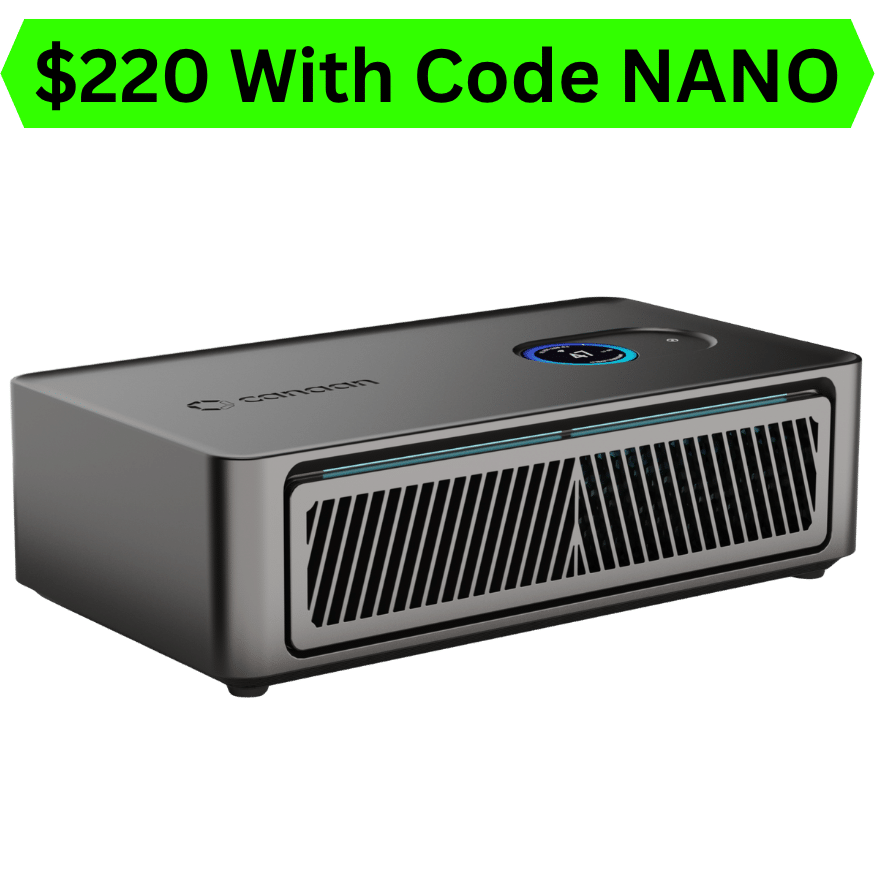
This is the most underrated part of home mining. Every watt an ASIC miner consumes becomes heat as a byproduct, and several devices are specifically designed around that fact. During cold months, a miner running on your desk or in your office isn't purely a cost center; it's doing a job you were already paying for. Run it on a higher power mode through winter and the electricity cost is money you'd have spent on a space heater anyway, except this space heater also contributes hash power to the Bitcoin network.
It's one of the best hands-on ways to actually understand Bitcoin
Most people who own Bitcoin have never seen how it's actually created. Running a miner, even a small one, makes proof-of-work concrete instead of abstract. You watch difficulty adjust in real time, you see how mining pools distribute rewards proportionally, you understand exactly why the network is secure. For anyone who holds Bitcoin, follows the space, or just wants to actually understand the technology instead of taking it on faith, a $180 device that lets you participate directly teaches more in a weekend than a dozen articles.
The entry price has genuinely never been lower
Five years ago, "home Bitcoin mining" meant a loud, hot, industrial machine that needed its own room. Open-source hardware changed that completely. A real, working ASIC miner now costs less than a decent pair of headphones, draws less power than a phone charger, and sets up over WiFi in about five minutes. The barrier to trying this hobby has collapsed, and the hardware quality has gone up at the same time.

The community and build culture are genuinely fun
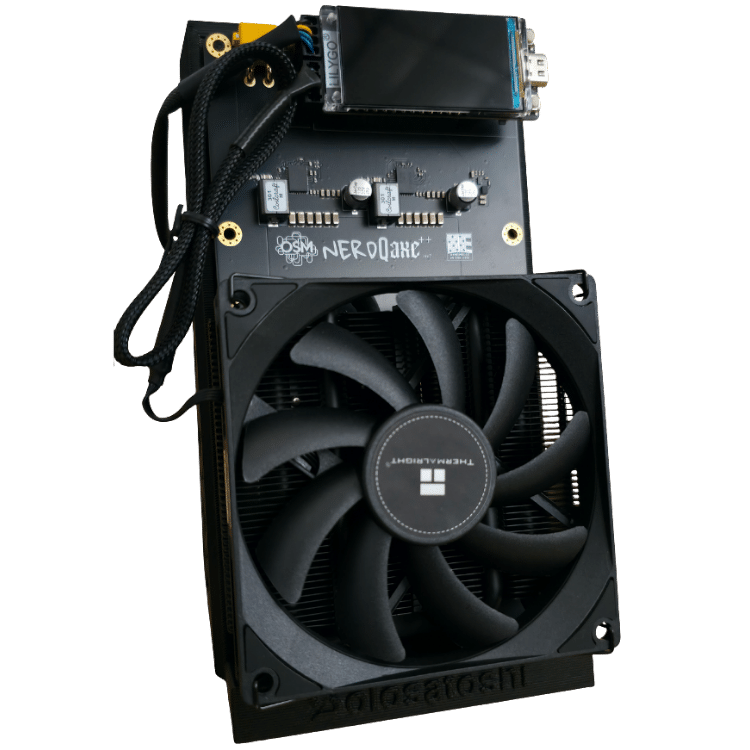
Open-source miners come from an active builder community that ships firmware updates, custom cooling mods, 3D-printed stands, and overclocking guides constantly. It's closer to the PC-building hobby than a typical appliance purchase. Guys who buy one Bitaxe frequently end up with three or four, not because of the odds, but because tuning, comparing hashrates, and swapping cooling setups is a genuinely enjoyable tinkering hobby on its own, independent of anything it earns.
None of this changes the math from our first piece: check your electricity rate, treat solo mining as a lottery ticket and not a plan, and don't buy hardware assuming a specific payout. What it does add is the rest of the picture. Real people have found real blocks with hardware this small. Some of these devices genuinely double as heaters. And regardless of what you earn, you walk away actually understanding how Bitcoin works instead of just holding a number in an app. That's a legitimate reason to try this hobby on its own.
Where to Start
- Just curious, lowest possible cost: Bitaxe Gamma 601. Under $200, real hash power, minimal electricity either way.
- Want the heating angle to actually offset the cost: Avalon Nano 3S, run on high mode through the colder months.
- Want to tinker, overclock, and build out a small fleet over time: NerdQaxe++, the pick with the most active mod community.
Read the full breakdown of all five miners, including specs, pricing, and the honest math on profitability, in our complete buyer's guide to Bitcoin miners on Amazon.