Every watch on this site gets described somewhere as "automatic," "quartz," or "solar," and most buying guides treat that word as a footnote. It shouldn't be one. It's the single biggest thing that determines how a watch behaves day to day, what it costs to own over time, and honestly, why anyone would pay $250 for something a $45 watch does more accurately. Here's what's actually happening inside each one.
Quartz: The One That's Actually More Accurate
Start here because it's the one most people already own and understand least. A quartz watch runs on a battery, which sends a tiny electric current through a sliver of quartz crystal. That crystal vibrates at an exact, physically fixed frequency, 32,768 times a second, and a circuit counts those vibrations to drive the second hand forward at a precise, steady interval.
That's the whole mechanism. No springs, no winding, nothing to wear against anything else. Which is exactly why quartz watches are both the cheapest watches to make and, counterintuitively, the most accurate ones you can buy. A quartz movement drifting a few seconds a month is considered ordinary, not exceptional.
Automatic: The One That's Actually a Tiny Machine
An automatic watch has no battery at all. Inside is a coiled mainspring, and unwinding slowly releases energy through a gear train to move the hands, the same basic principle as a wind-up watch from a century ago. The difference, and the reason it's called "automatic," is a small weighted rotor that spins freely with the natural motion of your wrist and winds that mainspring for you, so you never have to do it by hand.
This is a genuinely more complicated machine than a quartz movement, often 100 to 200 individual parts working against each other with real mechanical tolerances. That complexity is also why it's less accurate. A well-regulated automatic keeping time within a few seconds a day is considered good, not broken. The appeal isn't the accuracy, it's that the thing on your wrist is a small, purely mechanical machine with no electronics in it at all, still running on the same principle watchmakers have used for centuries.
Solar: Quartz Accuracy, No Battery Anxiety
A solar watch is a quartz watch with one addition: a light-sensitive cell sits just under the dial, usually disguised in the dial's finish, and converts any light hitting it, sunlight or ordinary room light, into a small electrical charge. That charge fills a rechargeable cell instead of driving the hands directly, and the same precise quartz circuit runs off it.
The result is quartz-level accuracy without ever opening the case for a battery. Leave one in a dark drawer for months and it'll usually keep enough reserve charge to still be running, or at minimum, resets itself the moment it sees light again. It's the practical answer for someone who wants the accuracy of quartz without the one recurring maintenance task quartz actually has.
Which One Actually Fits How You Live
| Movement | Accuracy | Maintenance | Best For |
|---|---|---|---|
| Quartz | Excellent, seconds/month | Battery swap every 1-2 years | Set it and forget it |
| Automatic | Good, seconds/day | Wear regularly or use a winder | Mechanical craftsmanship, no battery ever |
| Solar | Excellent, seconds/month | None, recharges from light | Quartz accuracy, zero upkeep |
Three Automatics Worth Actually Owning
Automatic movements are where a lot of the character in a watch collection lives, since no two run exactly alike and the rotor's motion is something you can feel and even hear if you hold one to your ear.

Seiko 5 Sports SRPD55
The most common first automatic for a reason: a visible rotor through the caseback so you can actually watch the mechanism you're paying for do its thing, at a price that doesn't punish you for being curious.
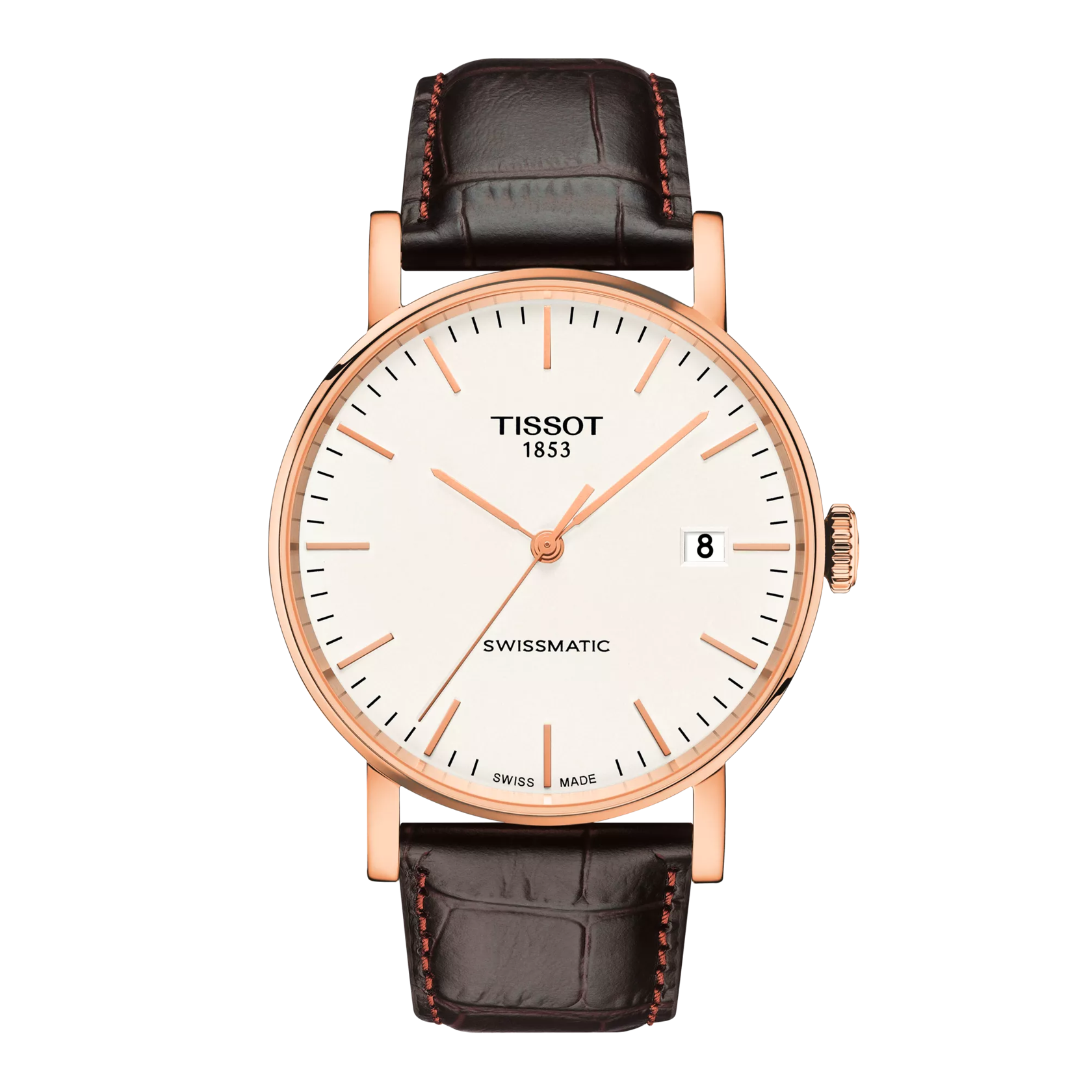
Tissot Everytime Swissmatic
A genuine Swiss automatic movement in a dial thin enough to actually pass for a dress watch, which a lot of chunkier automatics can't manage.
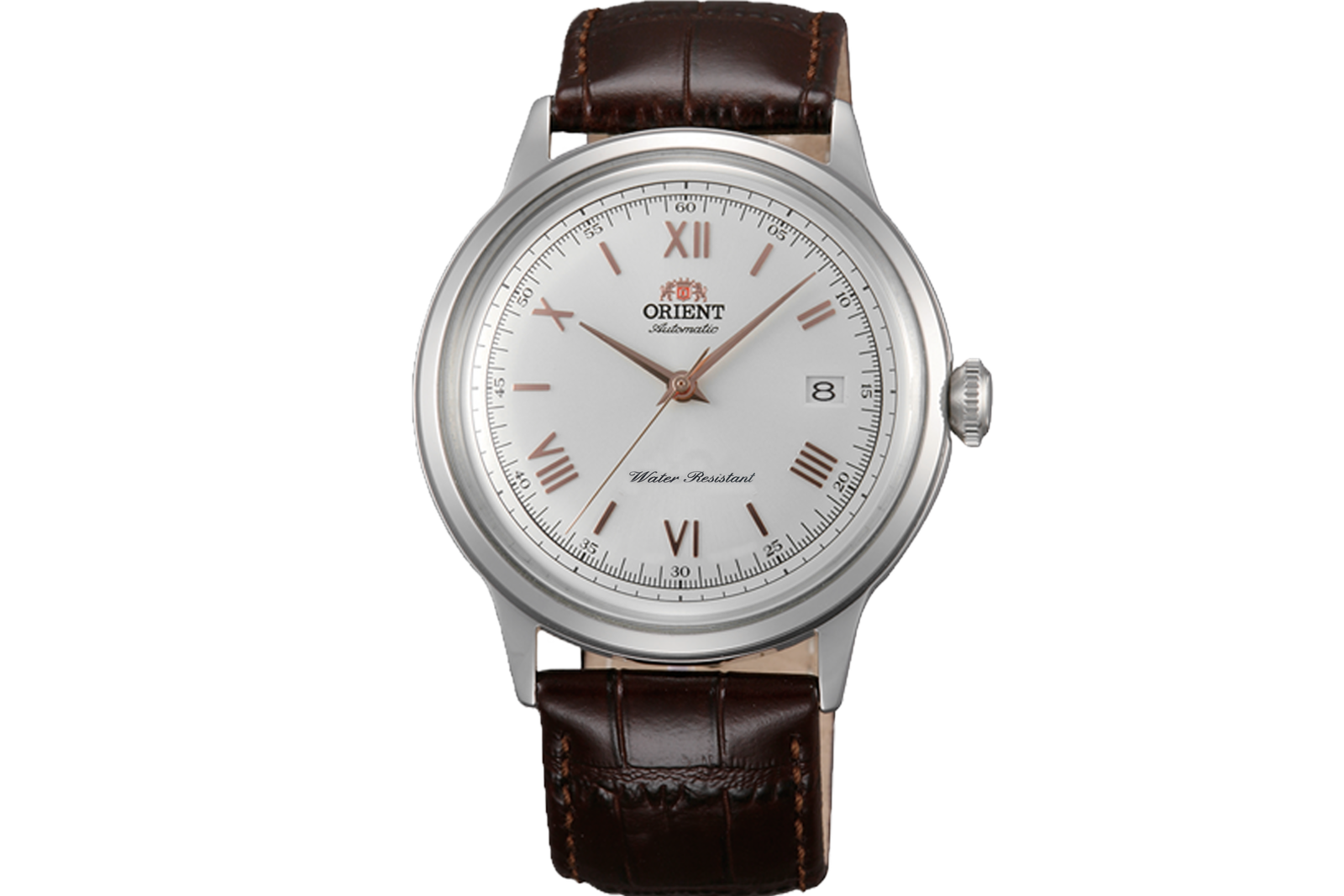
Orient Bambino Version 2
The classic budget entry into vintage-styled automatics, with a domed crystal that makes a modern movement look decades older than it is.
Two Quartz Watches That Just Work
If the plan is to put it on and never think about it again, this is the category. Both of these are the kind of watch you forget you're wearing until you glance down and it's exactly on time.

Casio Men's Diver-Inspired Watch MDV106-1AV
Dive-watch looks and real water resistance for less than dinner out, running on the same basic quartz accuracy as watches ten times the price.

Timex Expedition Scout 40
A simple, legible field watch with the Indiglo backlight that's been a Timex signature for decades, at a price where losing it wouldn't ruin your week.
The Solar Option
This is the movement type most people don't know exists until they need it, usually after their second battery replacement in three years on a quartz watch they actually loved.

Seiko Prospex Speedtimer Solar Chronograph SSC913
A full chronograph, the most battery-hungry complication a quartz watch can have, running entirely on light. Once it's charged, it holds a reserve of several months even with no light at all.
Every Movement Type at a Glance
See the full price breakdown between a budget and a premium watch, movement included.
The Honest Take
If accuracy and zero maintenance is genuinely all you want, quartz wins outright, and solar wins if you never want to think about a battery again either. Automatic exists for a different reason entirely, it's a mechanical object you wind by living your life, and part of what you're paying for is that it doesn't need electricity to exist. Neither answer is wrong. They're just answering different questions.
More Watch Guides
FAQs
An automatic watch runs on a mechanical spring wound by the natural motion of your wrist, with no battery at all. A quartz watch uses a battery to vibrate a tiny crystal at a precise frequency, which is what actually keeps the time. Quartz is more accurate and needs far less maintenance; automatic is valued for the mechanical craftsmanship and the fact that it never needs a battery.
No. An automatic watch is powered entirely by a wound mainspring, kept wound by a rotor that spins with the natural movement of your wrist. If you stop wearing it for a day or two, it winds down and stops, and you just reset the time and let your wrist wind it back up.
Quartz, by a wide margin. A decent quartz movement drifts a few seconds a month. A well-regulated automatic movement is considered good if it drifts only a few seconds a day. The accuracy gap is a real trade-off you're making for the mechanical craftsmanship, not a myth.
A solar watch uses a light-sensitive cell under the dial to convert any light, sunlight or indoor light, into a small electrical charge that's stored in a rechargeable cell. It runs the same quartz movement underneath, so you get quartz-level accuracy without ever needing to replace a battery.