Most sunglasses trends cycle out within a few seasons. Two haven't: the Aviator, designed in 1937 for US military pilots, and the Wayfarer, designed in 1952 and still in continuous production since. Both are still the default recommendation nearly a century and seven decades later, respectively, and the reason is simpler than fashion, they're genuinely different shapes built for different faces, not just different looks.
Aviator vs. Wayfarer: Not Just a Style Choice
An Aviator is a thin metal frame in a teardrop shape, originally built to cover a pilot's full field of vision without the frame itself getting in the way. That thin metal profile is exactly why it tends to suit angular or narrower faces well, the frame doesn't add bulk where a face is already sharp.
A Wayfarer is thick acetate in a trapezoid shape, wider at the top than the bottom. That bold, straight-lined frame does the opposite job, it adds structure and contrast to rounder or softer face shapes. Neither is objectively better. They're solving opposite problems.
Polarized vs. Non-Polarized: What You're Actually Paying For
Any sunglasses lens with a UV coating blocks harmful rays, that's a baseline, not a premium feature. Polarization is a separate upgrade layered on top, a filter that specifically blocks horizontally-reflected light, the kind that bounces off flat surfaces like water, wet roads, and car hoods and reads as intense glare. Non-polarized lenses just darken that glare along with everything else. Polarized lenses cut it out selectively, which is why the difference is so noticeable while driving or near water, and much less noticeable just walking around on an overcast day.
The Picks
| Product | Shape | Best For | Price | |
|---|---|---|---|---|
| Ray-Ban Aviator Classic | Aviator, metal | Angular, narrower faces | ~$163 | Shop on Amazon → |
| Ray-Ban Original Wayfarer | Wayfarer, acetate | Rounder, softer faces | ~$163 | Shop on Amazon → |
| Oakley Holbrook Polarized | Square, sport-lean | Driving, outdoor activity | ~$196 | Shop on Amazon → |
#1 The Original: Ray-Ban Aviator Classic
The shape that started it all in 1937, and the reference point every other aviator on the market gets measured against. Thin metal frame, teardrop lenses, and the same G-15 green lens tint that's been standard since the original military spec.
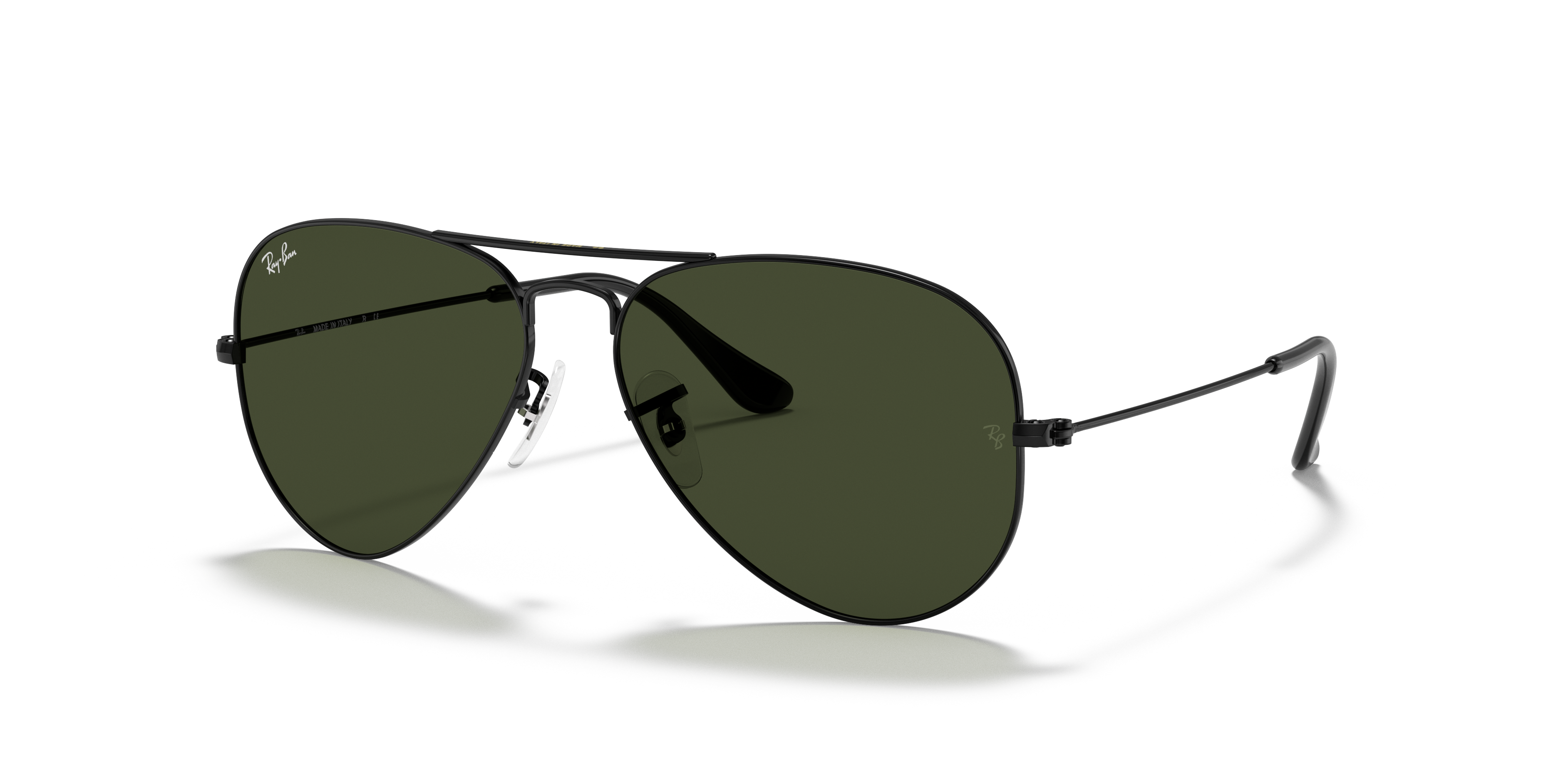
Ray-Ban Aviator Classic
The reference point every other aviator gets measured against. Thin metal frame, full field of vision, the same silhouette that's barely changed since 1937.
#2 The Other Classic: Ray-Ban Original Wayfarer
Introduced in 1952 and still made from the same core trapezoid shape, thick black acetate that puts real structure on a rounder face. This is the pick if the Aviator's thin metal frame disappears too much on your particular face shape.
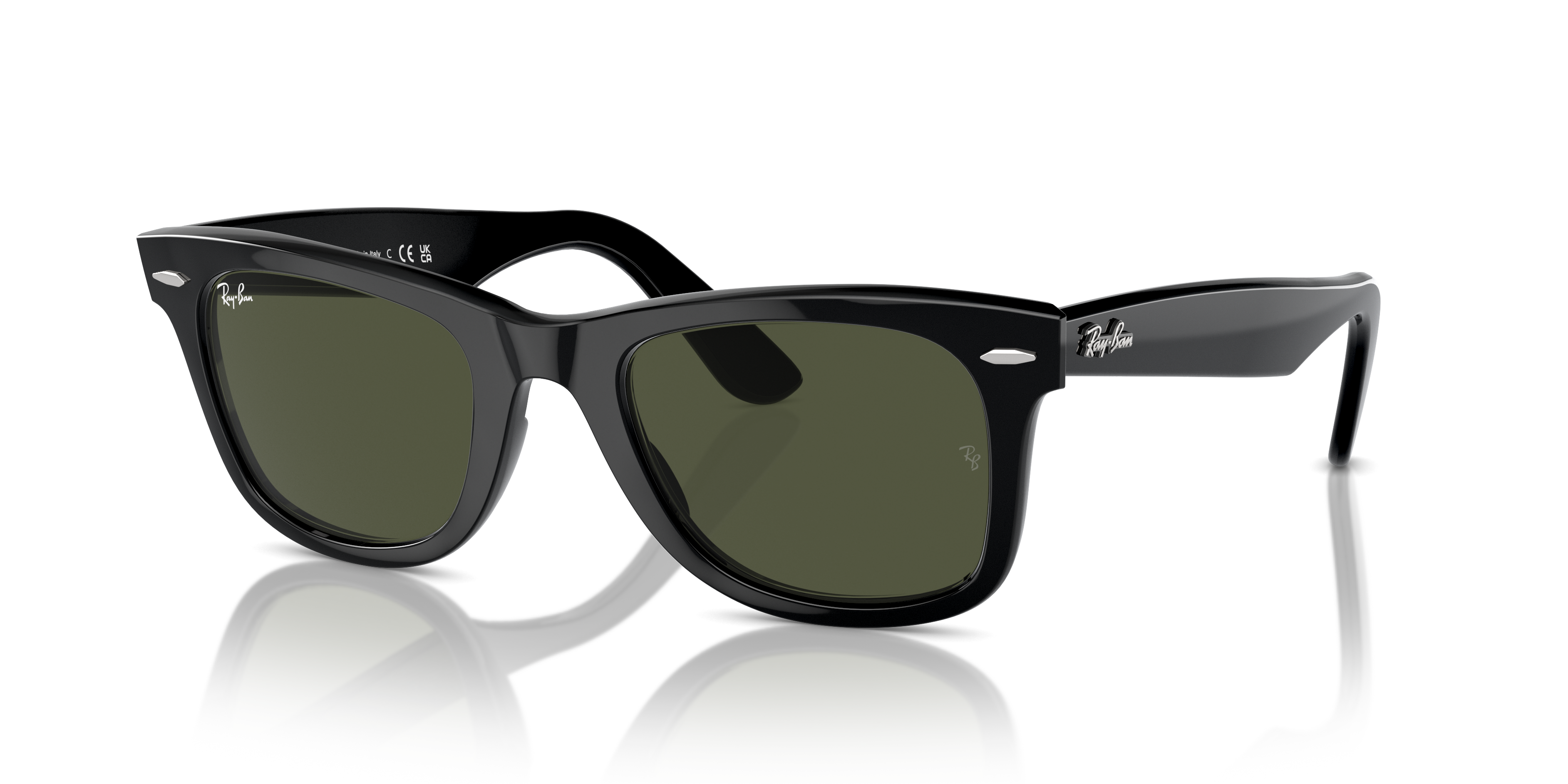
Ray-Ban Original Wayfarer
Bold, straight-lined acetate that adds structure to rounder faces the way the Aviator's thin metal can't. The other half of the "which classic shape" decision.
#3 The Polarized Pick: Oakley Holbrook
If glare off the road or water is the actual problem you're solving, this is the pick. Prizm polarized lenses, a squared-off shape that sits closer to the face for better wind and light coverage than either classic silhouette above, built for driving and outdoor activity rather than general daily wear.
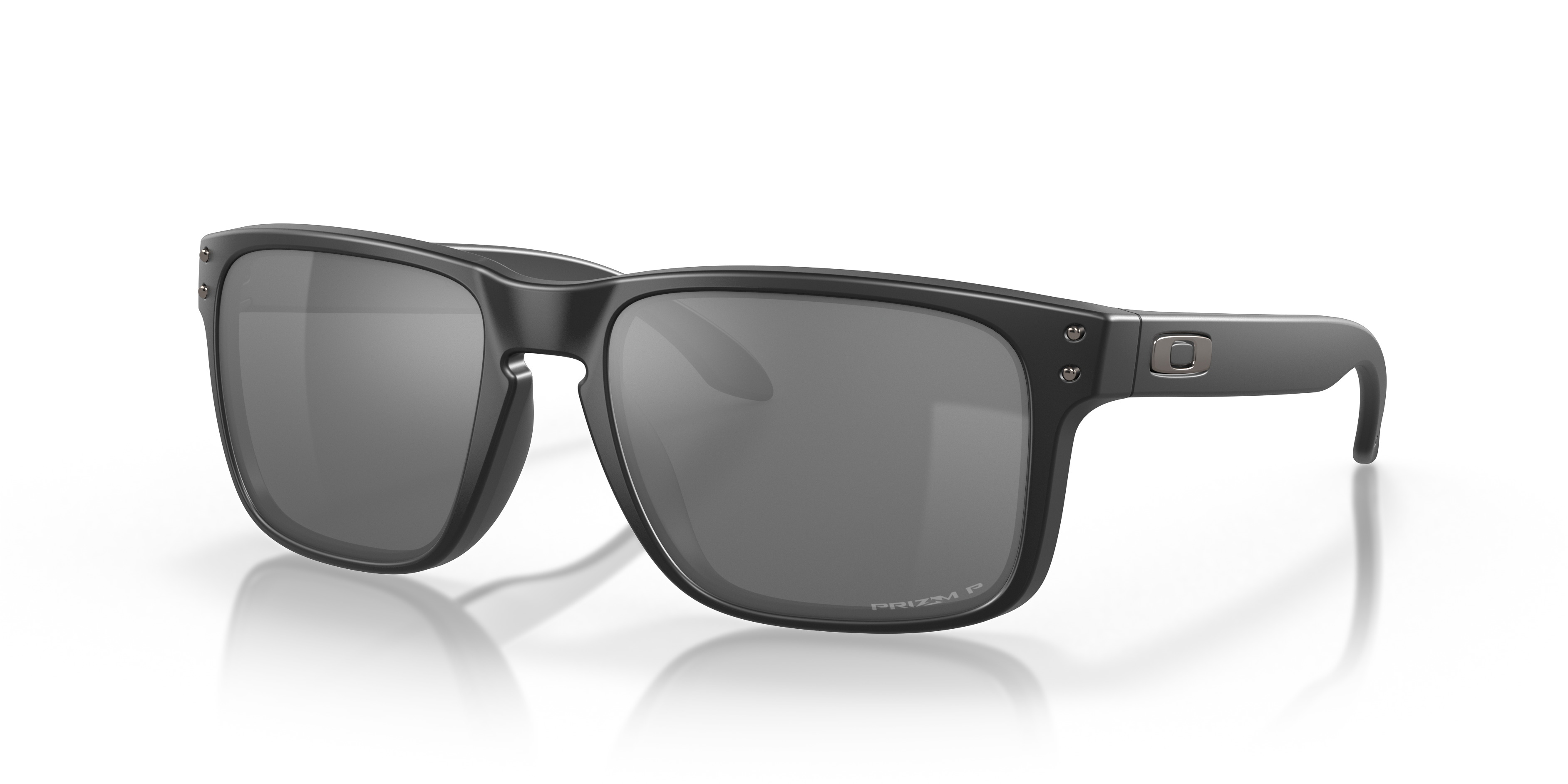
Oakley Holbrook Prizm Black Polarized
Real polarization for genuine glare reduction, in a squared shape built for a closer, more active fit than either classic style above.
Every Pick at a Glance
A cheap pair with genuine 100% UV protection protects your eyes exactly as well as an expensive pair with the same rating. Check the listing for "UV400" or "100% UVA/UVB" before you buy anything, regardless of price, since a dark lens with no UV coating can actually let in more damage than wearing nothing at all.
The Honest Take
Start with whichever classic shape actually fits your face, Aviator for angular features, Wayfarer for rounder ones, both are genuinely timeless rather than trendy, so you won't be replacing them in two years. Add a polarized pair like the Holbrook later if you drive a lot or spend real time near water, where the extra glare reduction actually earns its keep.
More Style Guides
FAQs
Aviators are a metal-framed teardrop shape designed in 1937 for pilots, with thin frames that barely interrupt your field of view. Wayfarers are a thicker acetate frame designed in 1952, with a distinct trapezoid shape. Aviators tend to suit angular or narrow faces best, while Wayfarers work well on rounder faces since the straight lines add contrast.
Yes, for most everyday use. Polarized lenses cut glare off flat reflective surfaces like water, roads, and car hoods, which non-polarized lenses simply darken instead of block. The difference is very noticeable while driving or near water, less noticeable for general daily wear where glare isn't a factor.
Not necessarily. UV protection is determined by the lens coating, not the price tag, and a cheap pair with genuine 100% UVA/UVB protection protects your eyes exactly as well as an expensive pair with the same rating. Price mostly buys frame material, lens optical clarity, and brand name at that point, not additional UV safety.
Check the product listing or tag for "100% UV protection" or "UV400," which means the lenses block wavelengths up to 400 nanometers, covering the full UVA and UVB range. Dark tint alone says nothing about UV protection, a dark lens with no UV coating can actually be worse, since your pupils dilate in the reduced light and let in more unfiltered UV.