Bumps after shaving are the single most common reason guys start shopping for a new razor, and it's usually the wrong fix. A new razor can help once the actual cause is handled, but bought on its own, it just moves the same problem onto a different tool. The bumps aren't really about the hardware. They're almost always about what the hair is doing after it's cut.
Start Here: What's Actually Going Wrong?
| What You're Seeing | What's Actually Happening | Read This |
|---|---|---|
| Small red bumps right after you shave | Irritation from a dull blade or shaving dry, not true ingrown hairs yet | Cheap vs. Premium Razors |
| The same spots keep coming back, days later | A true ingrown hair, curling back into the skin as it regrows | See the mechanism below |
| Mostly on the neck, not the cheeks | Neck hair grows in more directions, which makes ingrowns more likely there | Best Electric Razors |
| Started right after switching razors | A new tool's learning curve, or the wrong type for your skin | Best Shavers Under $50 |
| Shaving every day makes it worse | Daily shaving needs a gentler routine, not a stronger one | Best for Daily Shaving |
| Whiteheads or pus-filled bumps, not just redness | Possibly infected follicles (folliculitis), which shaving changes alone may not fix | See a dermatologist if it persists |
Why It Actually Happens
A razor blade doesn't cut hair straight across, it cuts it at an angle, and that angle matters more than most guys realize. As the hair grows back, a sharply angled tip is more likely to curl and re-enter the skin instead of exiting cleanly, especially if the hair itself has any natural curve or coarseness. That's an ingrown hair, and the bump is your skin's inflammation response to what it reads as a foreign object working its way in from underneath.
Three things make this worse, and none of them are "the razor is too weak." Shaving against the grain gets a closer cut, which sounds good but produces a sharper angle at the tip, exactly what makes curling more likely. Too much pressure or too many passes over the same area does the same thing. And skin that isn't properly prepped, oily, dead skin still sitting on the surface, means the hair has more to push through as it tries to grow back out normally.
The Three-Step Fix, In Order
1. Fix prep before you touch a new razor
Wash with an actual facial cleanser before shaving, not just water or leftover soap. Dirt and dead skin sitting on the surface is exactly what traps a regrowing hair under the skin instead of letting it exit normally. This is the cheapest and most overlooked fix on this list.
2. Fix technique second
Shave with the grain, not against it. It's a slightly less close shave, but a less close shave is the point, since a sharper angle at the hair tip is what causes curling in the first place. Use fewer passes with lighter pressure rather than pressing harder to get it done in one go.
3. Only then, consider the tool
If prep and technique are already right and bumps are still concentrated in one area, like the neck and jaw, a different razor type can genuinely help. That's a real fix at that point, not a shortcut around the first two steps.

CeraVe Foaming Facial Cleanser
The site's editor's pick for face wash, and the right place to start if bumps are a recurring problem. Clears the oil and dead skin that traps a regrowing hair before it ever gets to the razor.
If It's Still the Neck and Jaw: Change the Tool
Once prep and technique are handled, a rotary shaver is often genuinely gentler on the neck and jaw than an aggressive multi-blade foil, because it follows the contours of that area instead of dragging a straight edge across it. This is the one situation on this page where buying something new is actually the right next step.

Philips Norelco Shaver 5300
The pick if your bumps are specifically concentrated on the neck and jaw after prep and technique are already right. The rotary heads flex to follow that area instead of fighting it the way a straight foil edge does.
If Bumps Are Widespread: A Gentler Foil
For bumps that aren't localized to one area, the site's existing pick for recurring razor burn is worth pointing back to here. A 3-blade foil built around comfort rather than an ultra-close cut trades a small amount of closeness for a meaningfully lower irritation rate, which is the actual trade you want if this is a recurring problem rather than an occasional one.
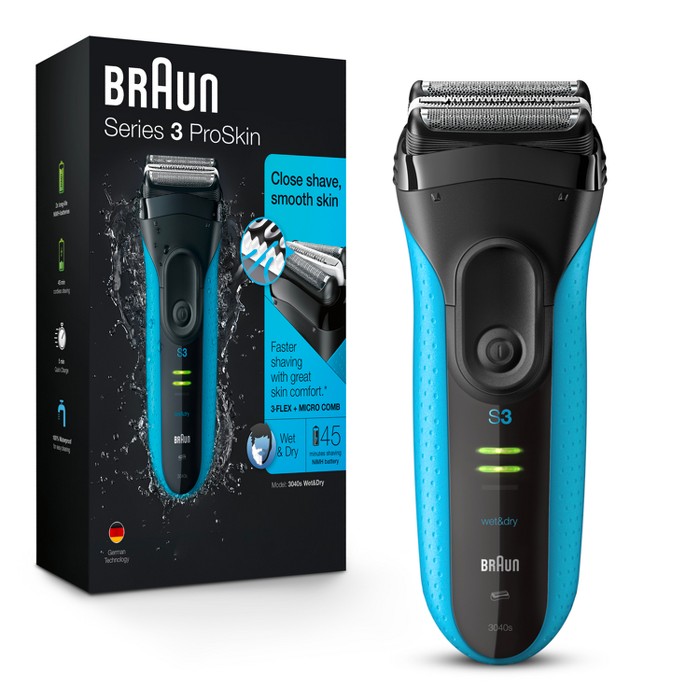
Braun Series 3 ProSkin
The site's own pick when razor burn is a recurring issue rather than one bad shave. Built around comfort over an ultra-close cut, which is exactly the trade that helps here.
If You Keep a Beard Line or Stubble
The neckline where a beard ends is a common trouble spot, since it's shaved close and often against the grain to keep a clean edge. A hybrid trimmer built for that zone specifically is gentler than a full shaver dragged across the same line every couple of days.

Philips Norelco OneBlade
Built for trimming and edging rather than a full close shave, which makes it a better match for a neckline that gets shaved against the grain every couple of days to stay sharp.
Every Pick at a Glance
Prep, then technique, then tool, in that order. Buying a new razor first is the most common mistake here, and it usually just moves the same bumps onto a different piece of hardware. Fix the first two and a lot of guys find their existing razor was never really the problem.
How Long Before You See a Difference
Give any single change at least two weeks before judging it. Skin that's chronically irritated needs time to calm down, and a hair that's already mid-cycle growing in curled won't un-curl overnight just because your technique improved today. If you change prep, technique, and tool all at once, you won't know which one actually mattered, so it's worth adjusting one variable at a time if you want a real answer.
More in This Series
- What's Actually Causing Your Razor Bumps (you are here)
- Best Electric Razors for Men Under $100
- Best Electric Shavers Under $50
- Best Budget Electric Razors for Daily Use
- Cheap vs. Premium Electric Razors
- Best Face Wash for Men
FAQs
Most razor bumps are ingrown hairs: hair that's been cut at an angle grows back and curls into the surrounding skin instead of exiting straight, which triggers inflammation. It's a hair-growth and technique problem more than a hardware problem, which is why a new razor alone rarely fixes it.
Wash with a proper cleanser before shaving so hair isn't trapped under oil and dead skin, shave with the grain instead of against it, and use fewer passes with less pressure. Most chronic cases improve significantly just from those three changes, before any new equipment enters the picture.
Sometimes, but it's rarely the first fix. A rotary shaver can be gentler on problem areas like the neck and jaw than an aggressive multi-blade foil, so switching can help once prep and technique are already right. Switching tools before fixing technique usually just moves the same problem to a different razor.
With the grain, at least for the first pass. Shaving against the grain gets you closer, but a closer cut is exactly what makes a curved hair more likely to curl back under the skin as it regrows. If you need a second pass, do it with the grain again rather than switching direction.