"Foil" and "rotary" get treated like brand names, Philips makes rotary and Braun makes foil, roughly, but they're actually two genuinely different cutting mechanisms, and the difference isn't cosmetic. It changes how you move the shaver across your face, which areas it handles well, and honestly, which one is right for your specific face shape and skin.
Foil: Straight Blades Behind a Screen
Under a foil shaver's thin, perforated metal screen sit a set of straight blades that oscillate rapidly side to side. Hair pokes up through the tiny holes in the foil, and the oscillating blade cuts it right at the surface, all while the foil itself protects your skin from direct blade contact. The mechanism is built for straight-line motion, you move it against the grain in controlled passes across flat sections of the face.
That straight-line design is exactly why foil shavers excel on flat areas like the cheeks and upper lip, and why they're generally the closer, more formal shave. It's also why they're usually gentler on sensitive skin, the blades never touch skin directly, and a controlled straight pass is more predictable than a circular one.
Rotary: Three Heads That Pivot to the Contour
A rotary shaver replaces the single flat foil head with three separate circular cutting heads, each spinning independently and mounted on a pivot that lets it tilt and flex on its own. Instead of one straight pass, you move the shaver in small overlapping circles, and the independently pivoting heads follow the actual shape of your face rather than forcing your face to accommodate a flat edge.
This is the real advantage on the neck and jawline, areas with genuine curves and angle changes that a straight foil head has to be manually repositioned to handle. A rotary head just flexes into those contours automatically as you move it. The trade-off is a slightly less close cut on flat areas compared to foil, and for some skin types, more potential for irritation since the circular motion passes over the same spot from multiple directions.
Side by Side
| Foil | Rotary | |
|---|---|---|
| Motion | Straight passes, against the grain | Small circles, overlapping |
| Best on | Flat areas: cheeks, upper lip | Contoured areas: jaw, neck |
| Closeness | Generally closer | Slightly less close |
| Sensitive skin | Generally gentler | Can be more irritating |
| Learning curve | Straightforward | Takes a few uses to get the motion right |
Two Foil Shavers Worth Owning
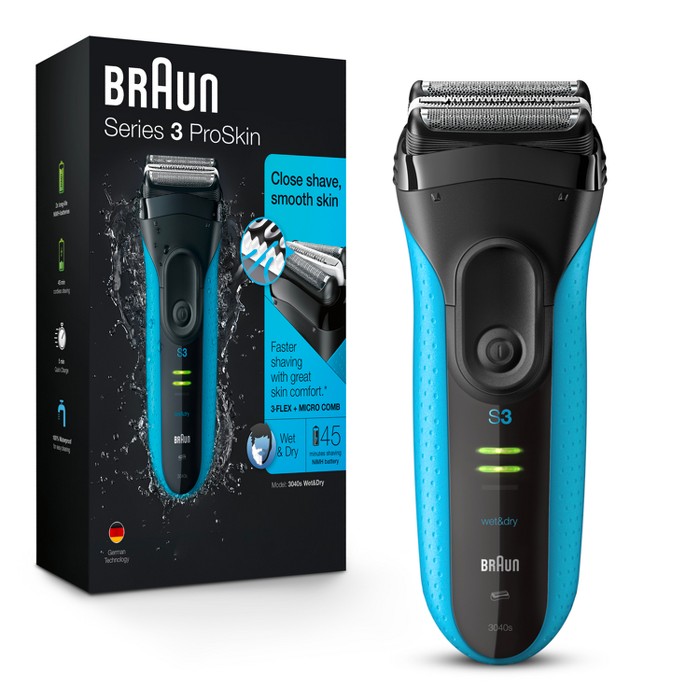
Braun Series 3 ProSkin
Built around comfort over an ultra-close cut, the right foil pick if skin irritation is the actual problem you're solving.
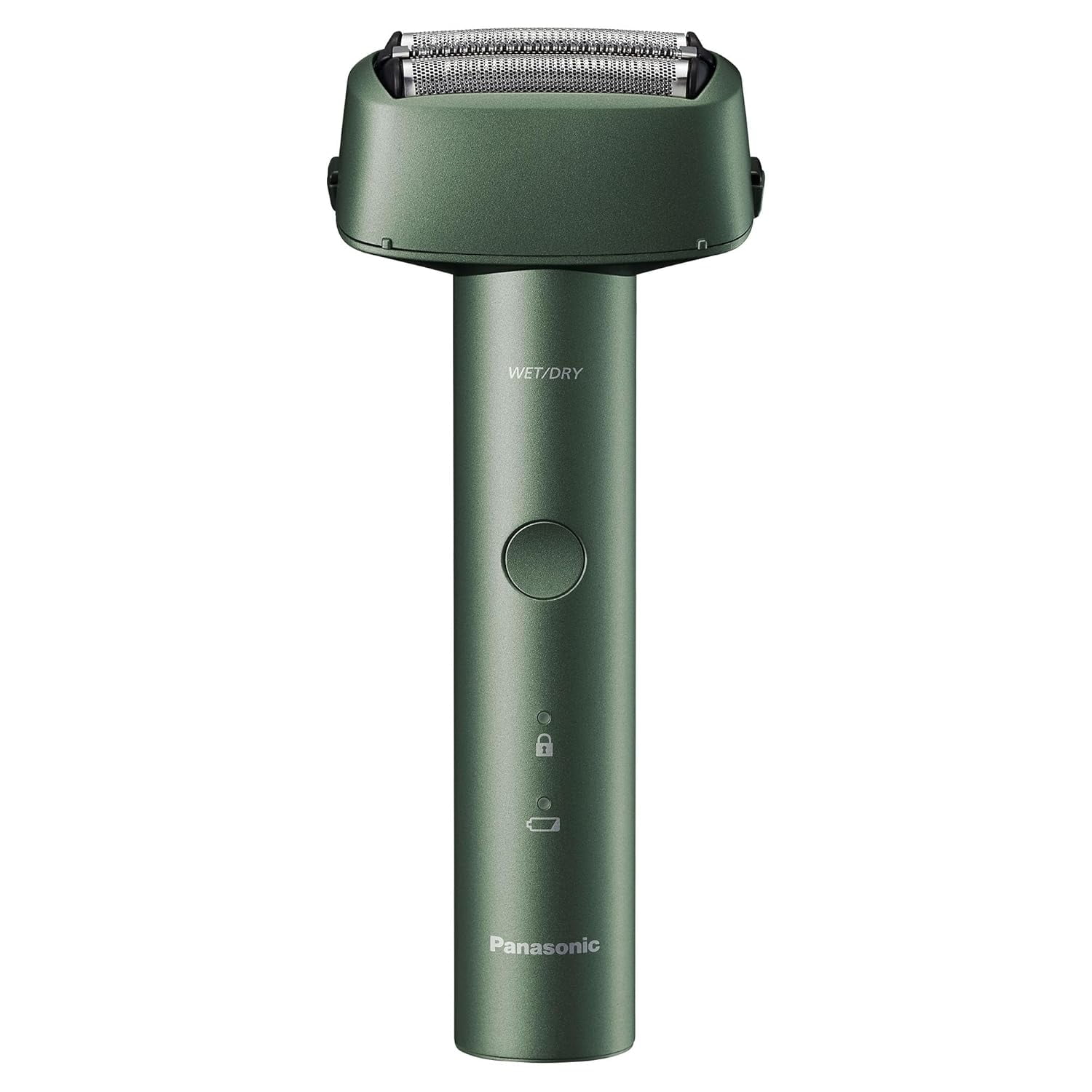
Panasonic Arc3
A close, straightforward foil shave at a price that doesn't ask you to commit to the format before you know if you like it.
The Rotary Option

Philips Norelco Shaver 5300
The pick if the neck and jaw are consistently the trouble spots, the pivoting heads do real, physical work that a foil edge can't.
The Middle Ground: A Hybrid Trimmer
Worth mentioning separately, since it's neither foil nor rotary in the traditional sense. A hybrid trimmer like Philips' OneBlade uses a single reciprocating blade that can trim, edge, or shave, built specifically for stubble and beard-line maintenance rather than a full close shave.

Philips Norelco OneBlade
Built for maintaining a beard line or stubble length, not for competing with a true foil or rotary on a fully close shave.
Every Type at a Glance
The real cause is usually prep and technique, not the shaver. See the full breakdown.
The Honest Take
Neither mechanism is objectively better, they're built for different faces. If your skin is mostly flat and you want the closest possible shave, foil wins. If your trouble spots are the neck and jaw and you deal with irritation from straight-blade passes, rotary is a real, physical solution, not just a different brand's marketing angle.
More Shaving Guides
FAQs
A foil shaver has straight oscillating blades under a thin perforated metal screen, and works best moved in straight lines against flat areas of the face. A rotary shaver has three circular spinning heads that pivot independently to follow the contours of the jaw and neck, and works best in small circular motions.
Foil shavers are generally gentler on sensitive skin because the blades stay behind a protective screen and the motion is a straight, predictable pass. Rotary shavers can be more prone to irritation on sensitive skin since the circular motion covers the same spot from multiple angles, though the pivoting heads reduce nick risk on uneven areas.
The three heads on a rotary shaver pivot independently, so they flex and follow the actual curve of the jawline and neck instead of dragging a single flat edge across it. A foil shaver's straight head has to be angled and repositioned manually to track the same contours.
Generally yes, on flat areas. A foil shaver's oscillating blades sit very close behind the screen and cut cleanly in a straight pass, which is why most men use a foil for a close, formal shave. Rotary shavers trade a bit of closeness for better contour-following and are often considered more forgiving day to day.