Every protein tub on a shelf is chasing the same basic goal, get amino acids into your body to support muscle. How each one gets there, and how fast, is where whey, whey isolate, casein, and plant-based protein actually diverge. That difference isn't marketing, it's digestion physiology, and it changes when each type actually makes sense to use.
Whey: Fast In, Fast Out
Whey is the liquid left over from cheese production, separated and dried into powder. It's a complete protein, meaning it contains all nine essential amino acids your body can't produce on its own, and it digests quickly, typically raising blood amino acid levels within about an hour of drinking it. That speed is exactly why it's the default post-workout choice, it gets material to muscle tissue during the window right after training when your body is primed to use it.
Whey Isolate: The Same Thing, More Refined
Isolate starts as the same whey, then goes through additional filtering to strip out more of the fat, carbohydrate, and lactose, leaving a higher percentage of pure protein per scoop. It digests just as quickly as regular whey concentrate, the difference isn't speed, it's purity. That makes isolate the better call if you're tracking macros tightly or have mild lactose sensitivity that regular whey aggravates.
Casein: The Slow-Release Option
Casein is whey's counterpart, the other major protein in milk, and it behaves almost opposite. When it hits stomach acid, it forms a gel, which slows its breakdown dramatically. Instead of a fast spike, casein releases amino acids steadily over several hours. That's a poor fit for right after a workout when you want speed, but it's exactly why it's the standard recommendation before bed, a slow feed overnight instead of nothing until breakfast.
Plant-Based: Different Sources, Different Rules
Plant proteins, pea, rice, hemp, soy, don't come from a single ingredient the way whey and casein do, and that matters. Many individual plant sources are missing or low in one or more essential amino acids on their own. A well-built plant-based powder blends multiple sources together specifically to cover those gaps, which is why the ingredient list on a quality plant protein is usually longer than a whey tub's. Done well, the resulting amino acid profile can genuinely compete with whey. Done with a single source and nothing else, it usually can't.
The Four Types, Side by Side
| Type | Digestion Speed | Best Use | Dairy-Free |
|---|---|---|---|
| Whey Concentrate | Fast (~1 hour) | Post-workout, general use | No |
| Whey Isolate | Fast (~1 hour) | Tight macros, lactose-sensitive | No |
| Casein | Slow (several hours) | Before bed, steady overnight release | No |
| Plant Blend | Moderate | Dairy-free diets | Yes |
The Benchmark Whey
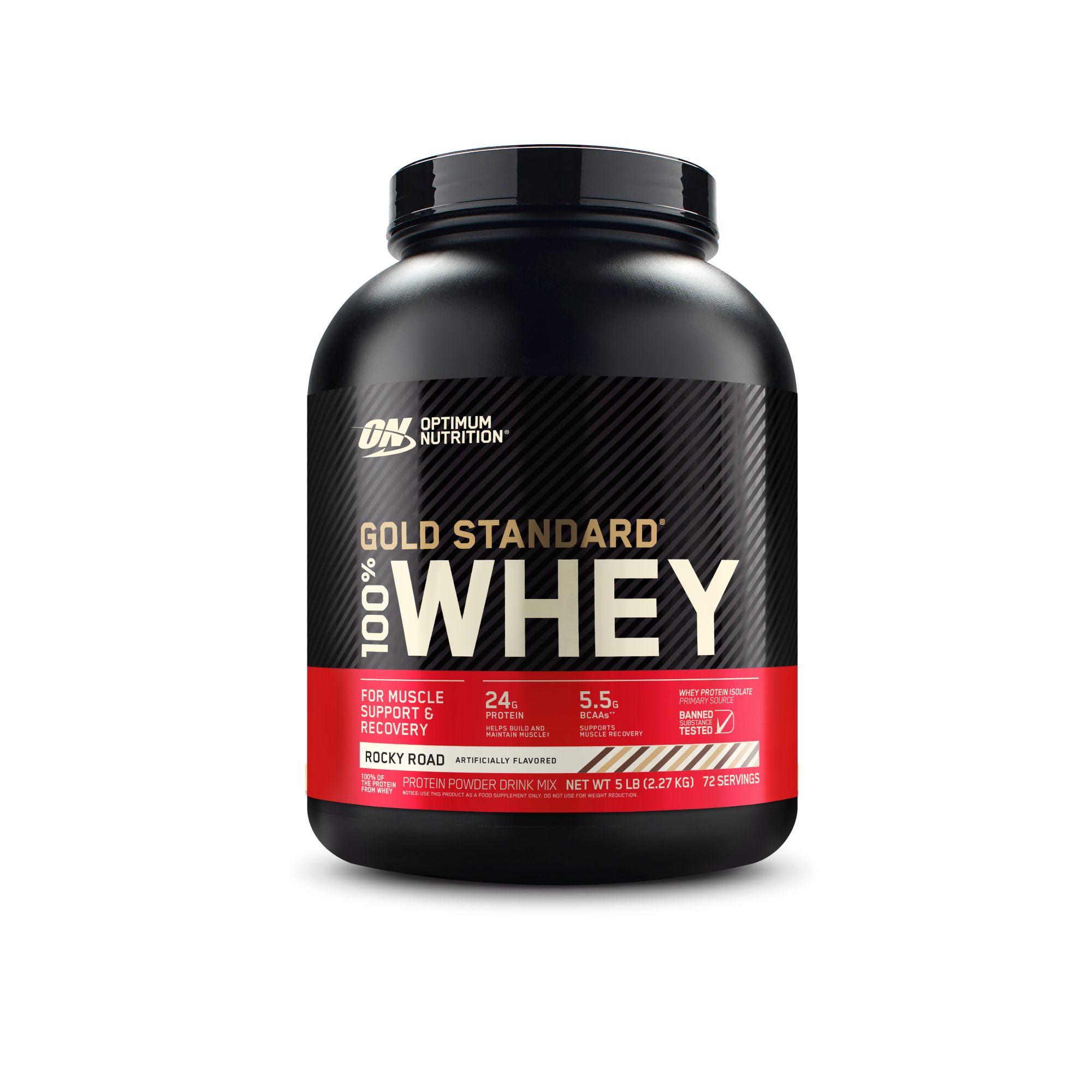
Optimum Nutrition Gold Standard 100% Whey
The reference point the rest of the category gets measured against, and still one of the best cost-per-gram options available.
The Refined Isolate

Dymatize ISO100 Hydrolyzed
Heavily filtered for a cleaner macro profile than concentrate, with independent lab verification if you compete or are drug-tested.
The Overnight Option

Optimum Nutrition Gold Standard 100% Casein
The slow-digesting counterpart to their whey, built specifically for a steady overnight release rather than a post-workout spike.
The Dairy-Free Option
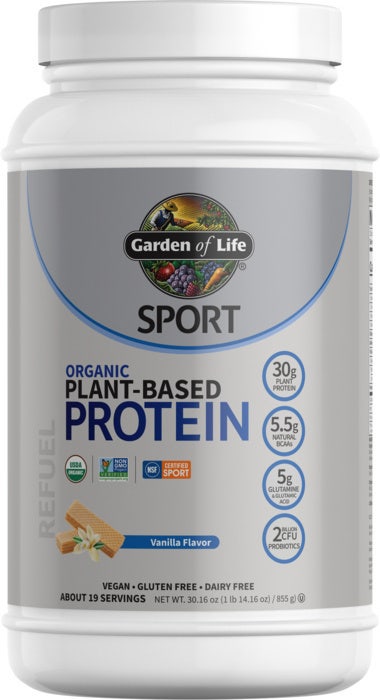
Garden of Life Sport Organic Plant-Based Protein
Blends multiple plant sources specifically to cover the amino acid gaps a single source would leave, the right way to build a plant protein.
Every Type at a Glance
See exactly what changes between a budget tub and a premium one, ingredient by ingredient.
The Honest Take
None of these is universally "best," they solve different timing and dietary problems. Whey or isolate around your workout, casein before bed if you want it, plant-based if dairy is off the table, and a blend like Muscle Milk if you just want a reasonable option without thinking too hard about timing. The type matters less than actually hitting your daily protein target consistently.
More Nutrition Guides
FAQs
Whey digests quickly, raising amino acids in the blood within about an hour, which makes it a strong post-workout choice. Casein digests slowly, over several hours, because it forms a gel in the stomach, which is why it's typically used before bed to feed muscle overnight rather than right after training.
Isolate is more heavily filtered, so it carries less fat, carbs, and lactose per scoop and a higher percentage of actual protein. That makes it a better fit if you're watching macros closely or have some lactose sensitivity. Regular whey concentrate is cheaper and works fine for most people without those specific concerns.
A well-formulated plant-based blend using multiple protein sources, like pea and rice together, can deliver a comparable amino acid profile to whey. A single plant source alone often falls short on one or more essential amino acids, which is why quality plant protein powders blend several sources rather than relying on just one.
Whey, generally. Its fast digestion gets amino acids into your bloodstream quickly during the window when your muscles are primed to use them. Casein's slow release is better suited to overnight use, like right before bed, when you want a steady supply over several hours instead of a fast spike.