The lock on a folding knife is the one part of the spec sheet with actual safety implications, it's what stands between the blade and your fingers when you're pushing it through real material. Most buyers glance past "liner lock" or "slipjoint" the same way they skip the steel code. Worth understanding, since these are genuinely different mechanisms with different real-world margins for error.
Liner Lock: Spring Steel Doing the Work
The most common lock on modern folding knives. A thin strip of spring steel runs inside the handle, alongside the blade's pivot. When you open the blade fully, that liner springs sideways and wedges itself directly behind the blade's base, physically blocking it from folding back. To close the knife, you push the liner aside with your thumb to clear it, then fold the blade down.
Done well, this is a genuinely strong lock, the wedged liner resists real cutting pressure from multiple directions. It's also fast, one-handed to open and close once you know the motion, which is why it's become the default on everyday-carry folders built for actual use rather than ceremony.
Collar Lock: A Simpler, Manual Mechanism
Opinel's Virobloc system is the best-known version of this: a metal ring encircles the base of the handle and rotates to physically block the blade in either the open or closed position. There's no spring involved, you twist the collar by hand to lock it, and twist it back to release.
It's a genuine mechanical lock, not just tension, but it asks more of you to operate. You need both hands, or at least a deliberate motion, to lock or unlock it, which is slower than a liner lock's one-thumb release. What you get in exchange is fewer moving parts to eventually wear out, and a lock that can't be accidentally bumped open the way some liner locks occasionally can.
Slipjoint: Tension, Not a True Lock
The traditional gentleman's knife format, no lock at all in the mechanical sense. A spring inside the handle applies tension that holds the blade in the open position against normal use, the same way an old-fashioned pocketknife has worked for well over a century. Push back hard enough in the wrong direction, though, and it will fold, since there's nothing physically blocking it, only spring resistance.
That makes a slipjoint a lighter-duty tool by design, meant for cutting tasks where you're not driving the blade into resistant material at an angle that would test the spring. It's also part of the appeal for a lot of people, simple, classic, and honest about what it is.
Three Locks, Side by Side
| Lock Type | Found In | Mechanism | Best For |
|---|---|---|---|
| Liner Lock | Kershaw Blur, CRKT Drifter | Spring steel wedge | Real cutting force, one-handed use |
| Collar Lock | Opinel No. 8 | Rotating metal ring | Simplicity, fewer moving parts |
| Slipjoint | Case Peanut | Spring tension only | Light everyday tasks |
The Liner Lock in Practice

Kershaw Blur
SpeedSafe assisted opening paired with a liner lock, deploy and lock with one hand, every time you reach for it.
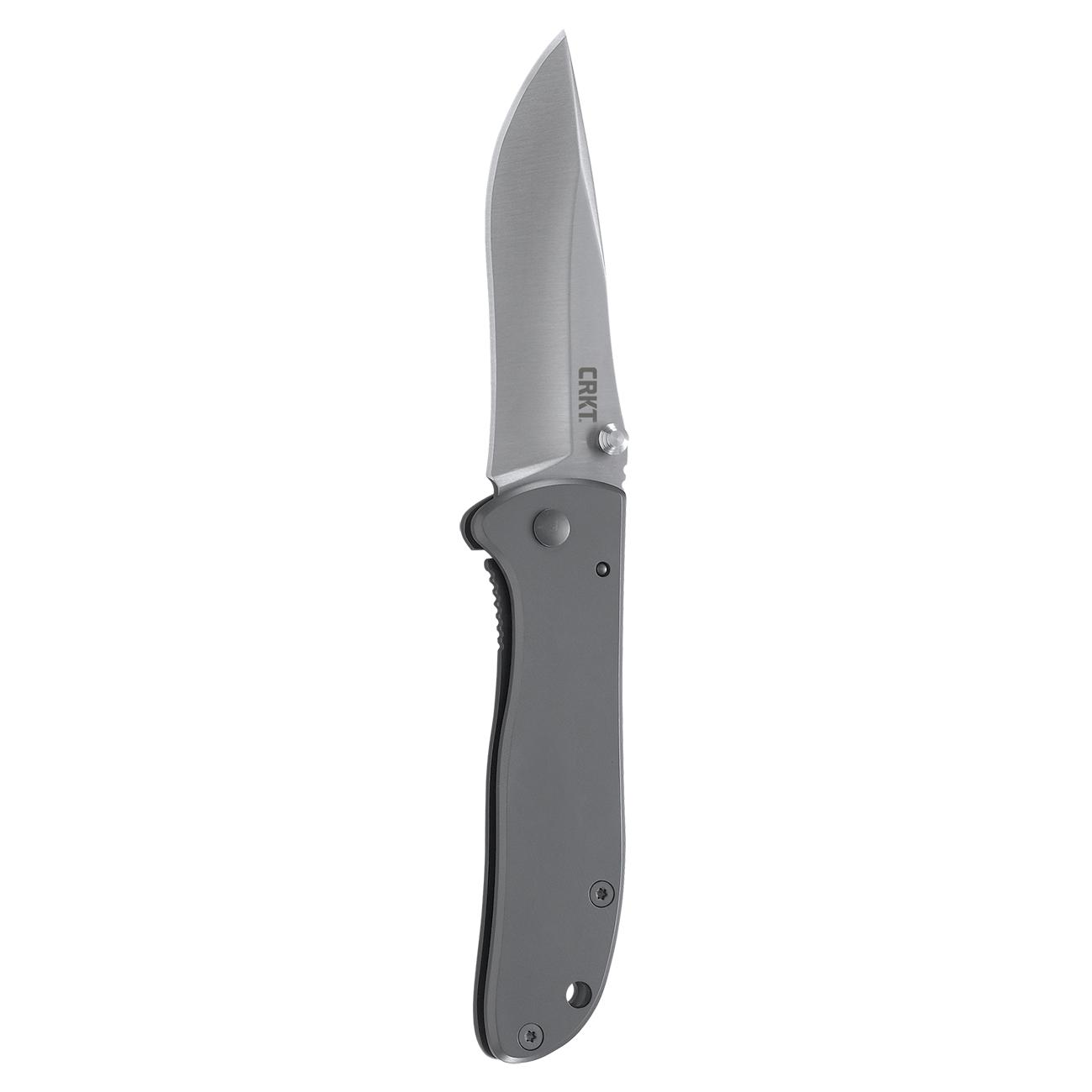
CRKT Drifter
The same lock type as the Blur, at a fraction of the price, for lighter everyday tasks.
The Collar Lock in Practice
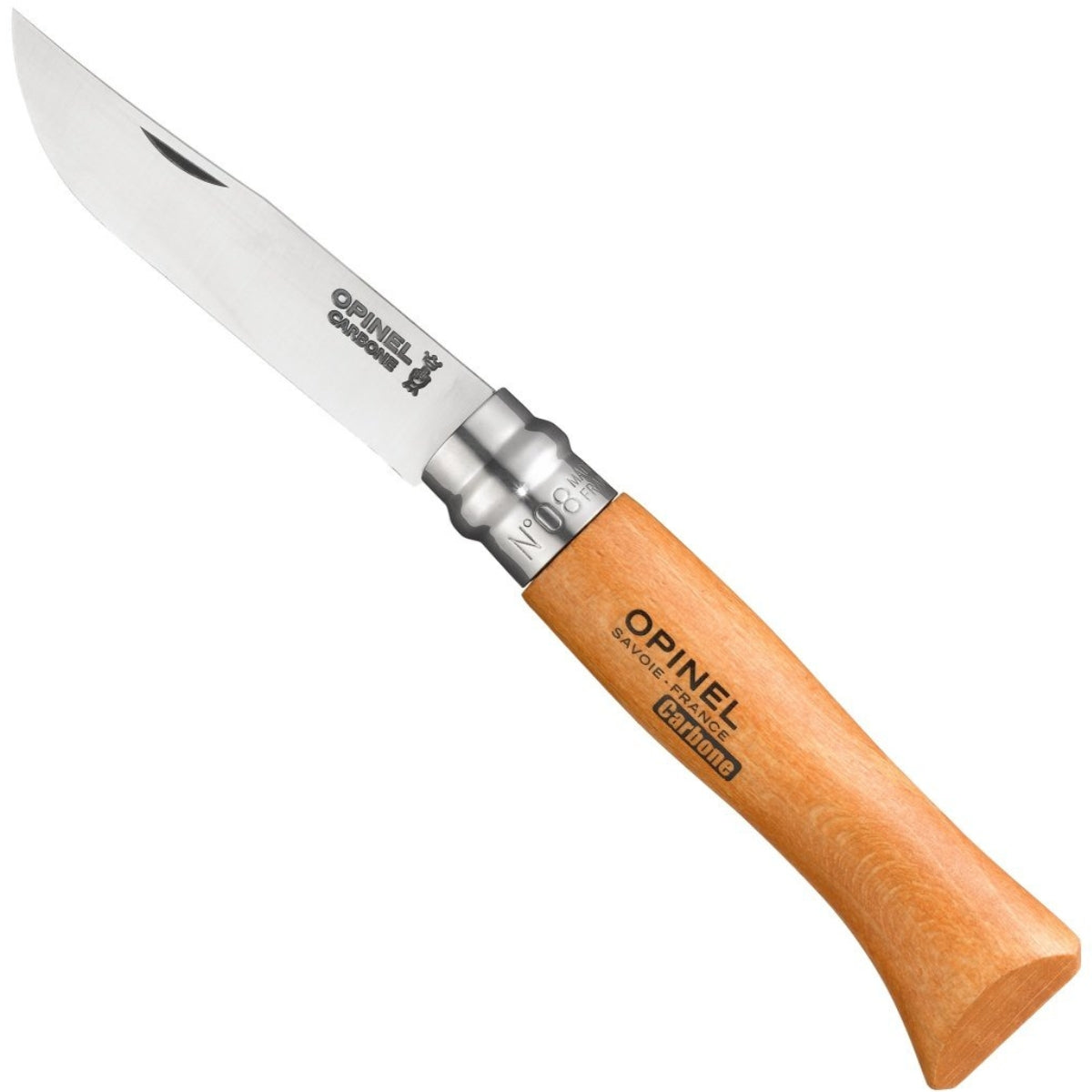
Opinel No. 8
A rotating steel ring locks the blade in either position, a genuine mechanical lock in one of the simplest packages you can buy.
The Slipjoint in Practice

Case Peanut
Spring tension only, in the classic American traditional format, honest about being a light-duty everyday tool.
Every Lock Type at a Glance
What 12C27, 14C28N, and the rest of the codes on a spec sheet actually mean.
The Honest Take
For anything beyond light, occasional cutting, a real mechanical lock, liner or collar, is worth having. A slipjoint is a fine, even charming choice for a knife that mostly opens mail and cuts twine, but it's genuinely a different category of tool than something built for daily hard use. Match the lock to the job, not just the look.
More Knife Guides
FAQs
A liner lock uses a thin strip of spring steel inside the handle that flexes sideways behind the open blade, wedging itself in place to block the blade from closing. To fold the knife, you push that liner aside with your thumb to release it. It's a strong, one-handed-friendly lock found on most modern folding knives.
No, not in the mechanical sense. A slipjoint relies on spring tension holding the blade in the open position, strong enough to resist normal cutting pressure but not an actual mechanical lock. Enough force applied the wrong way can fold it closed, which is why slipjoints are generally considered light-duty knives.
It's a metal ring around the base of the handle that rotates to physically block the blade from folding in either direction, open or closed. Unlike a slipjoint, it's a genuine mechanical lock, just a simpler one than a liner lock, requiring a manual twist rather than a thumb release.
A liner lock, when it's well made, is generally considered the most secure of the common lock types for real cutting force, since spring steel wedged behind the blade resists closing from multiple directions. A collar lock is nearly as secure but requires a deliberate twist to disengage, arguably making it less likely to close accidentally. A slipjoint offers the least resistance to closing under real pressure.