Every pocket knife spec sheet lists a steel type, 12C27, 14C28N, 8Cr13MoV, and most buyers skip right past it the way they'd skip a part number. That's a mistake. The steel code is a specific alloy recipe, and it determines almost everything about how a knife actually performs: how long it holds an edge, how easily it rusts, and how much effort it takes to sharpen back up when it finally does dull.
What's Actually in the Code
A steel code describes an alloy, a mix of iron with carbon and other elements in specific proportions. Carbon content controls hardness and how well the steel holds an edge. Chromium adds corrosion resistance, which is why "stainless" steels have a meaningful amount of it. Other additions like nitrogen or vanadium refine grain structure or add extra wear resistance. Change the proportions and you get a genuinely different steel with different real-world behavior, even if two codes look similar on paper.
The Three Properties That Actually Matter
Edge retention
How long the blade stays sharp under normal use before it needs a real sharpening, not just a strop. Higher carbon content and certain hardening processes generally push this up, at some cost to how easy the steel is to sharpen in the first place.
Corrosion resistance
How well the blade resists rust and staining, especially from moisture, salt, or acidic foods. This is mostly a function of chromium content, which is why steels with "stainless" in their marketing usually carry meaningfully more of it.
Ease of sharpening
How much work it takes to bring the edge back once it does dull. Softer, simpler steels sharpen quickly with basic tools. Harder, more complex steels hold an edge longer but fight back more on the stone, often needing more time or a finer abrasive.
No steel wins all three. That's not a flaw in the metallurgy, it's a genuine trade-off, and it's why a $18 knife and a $95 knife can both be reasonable choices depending on what you actually need from them.
Four Real Steels, Side by Side
| Steel | Found In | Edge Retention | Corrosion Resistance | Sharpens |
|---|---|---|---|---|
| 12C27 | Opinel No. 8 | Moderate | Good | Very easily |
| 8Cr13MoV | CRKT Drifter | Moderate | Good | Easily |
| Chrome Vanadium | Case Peanut | Moderate | Good | Easily |
| 14C28N | Kershaw Blur | Better | Very good | Moderately |
12C27: The Easy-to-Sharpen Classic
A Swedish steel from Sandvik, used in traditional folders for decades because it's forgiving to sharpen and holds a genuinely good working edge for a knife you touch up often rather than push to its limit.
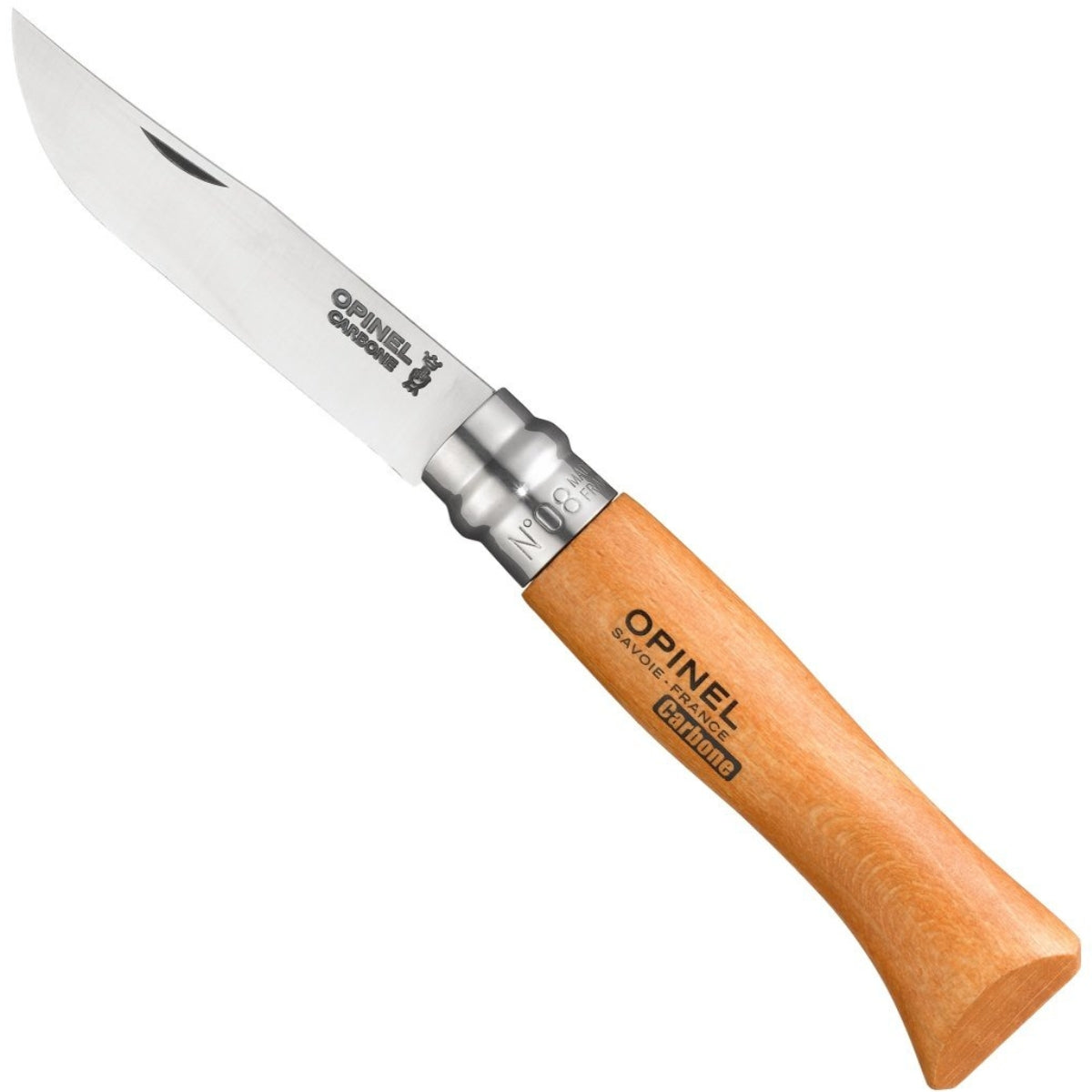
Opinel No. 8
The steel that makes this knife pleasant to own rather than fuss over. A few strokes on a stone brings it right back, no special equipment required.
14C28N: The Real Upgrade Tier
Sandvik built this one as 12C27's successor, adding nitrogen for finer, more consistent carbides. The result holds an edge meaningfully longer and resists corrosion better, without becoming difficult to resharpen when it does need it. This is the steel that actually justifies a price jump, not just a fancier name on the box.

Kershaw Blur
A documented, traceable step up from 12C27, not a marketing claim. Noticeably longer between sharpenings, still reasonable to bring back when the time comes.
8Cr13MoV and Chrome Vanadium: The Budget Workhorses
Both are perfectly reasonable steels for light, everyday cutting, just don't expect them to hold an edge as long as 14C28N between sharpenings. Where they earn their keep is cost and simplicity, easy to bring back to sharp with basic tools, and inexpensive enough that a scratched or lost knife isn't a real loss.
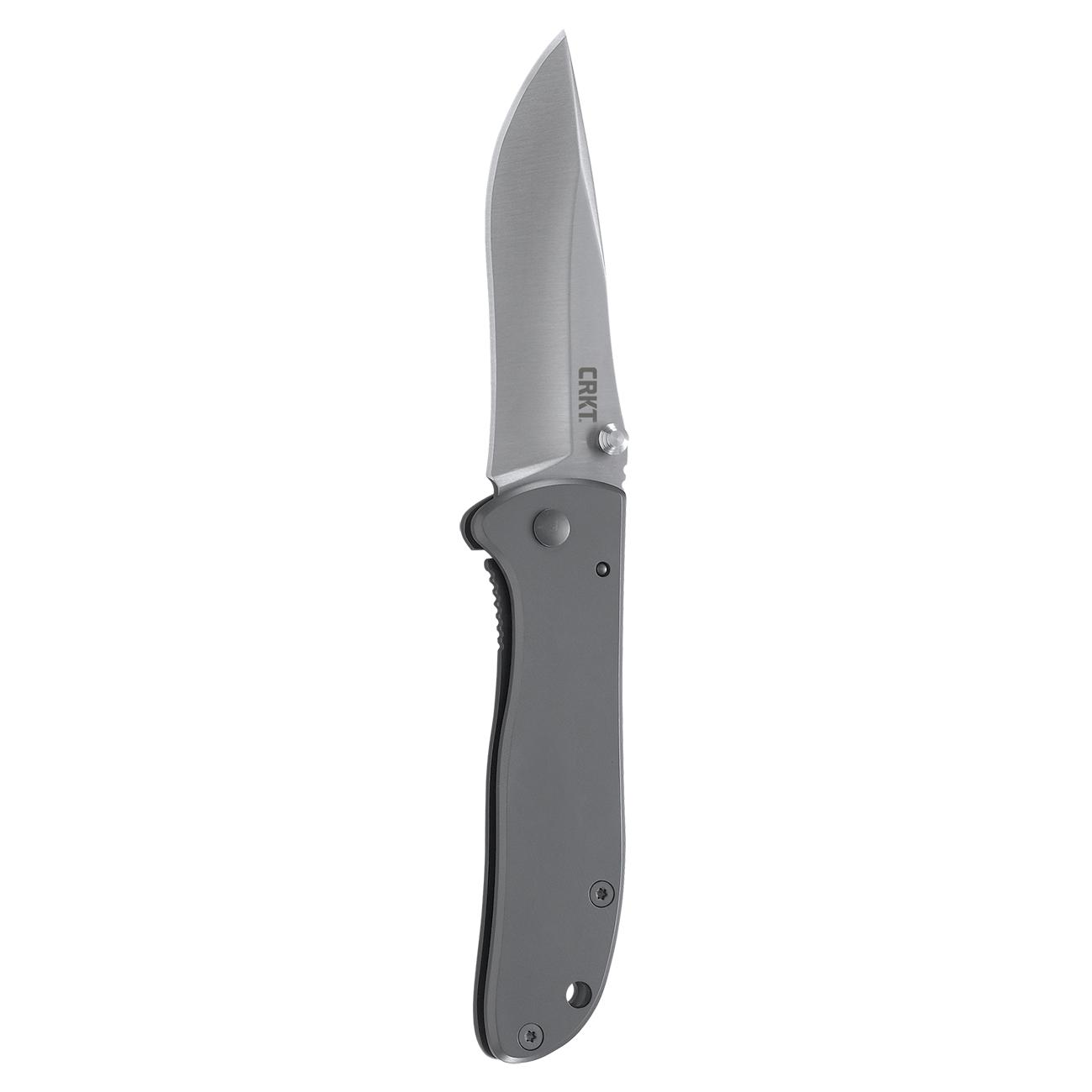
CRKT Drifter
A budget steel doing a perfectly good job on a knife built for everyday tasks, not hard use.

Case Peanut
A traditional slipjoint steel that's been the backbone of American pocket knives for generations, easy to maintain and honestly sharpen at home.
Every Steel at a Glance
An $18 Opinel vs. a $95 Kershaw, broken down upgrade by upgrade, steel included.
The Honest Take
More expensive steel isn't automatically better steel, and a premium alloy with a poor heat treatment can underperform a cheap one done right. But within a well-made knife, the code on the spec sheet is a genuine, physical signal, not marketing language. Match it to how you'll actually use the knife: 12C27 or Chrome Vanadium if you don't mind sharpening often and want something forgiving, 14C28N if you want to sharpen less and don't mind the extra minute it takes when you do.
More Knife Guides
FAQs
It's a specific alloy formula, a mix of iron, carbon, and other elements like chromium or vanadium in set proportions, that determines how the blade behaves. Different codes trade off edge retention, corrosion resistance, and ease of sharpening differently, so the code tells you what to expect before you ever use the knife.
There isn't one best steel, since edge retention, corrosion resistance, and ease of sharpening trade off against each other. 14C28N is a strong all-around choice for an everyday folder. 12C27 sharpens easily and suits a knife you touch up often. Budget steels like 8Cr13MoV are fine for light use but need more frequent sharpening.
Not automatically. A premium steel poorly heat-treated can underperform a cheaper steel done right, since heat treatment is what actually unlocks a steel's properties. That said, within a well-made knife, a higher-tier steel genuinely does hold an edge longer and resist rust better, so the code is a meaningful signal, not just marketing.
It depends entirely on the steel and how you use the knife, but a knife in a steel like 12C27 used for normal daily tasks typically needs a real sharpening every few weeks to a couple of months, with a quick strop in between. A steel like 14C28N stretches that interval out further since it holds an edge longer.