Every fragrance bottle has a few small letters after the name that most guys have learned to ignore, EDT, EDP, sometimes just "Parfum" or "Cologne." They read like branding. They're not. They're a specific, regulated measurement of how much actual fragrance oil is dissolved in the bottle, and that number is the single biggest reason two versions of what's technically "the same scent" can behave completely differently on skin.
The Number Underneath the Letters
A fragrance is fragrance concentrate (the actual scented oil, blended by a perfumer) diluted in alcohol and a small amount of water. The concentration tiers are just different ratios of that same oil to that same alcohol base, and each tier has an industry-standard range it's expected to fall into:
- Eau de Cologne (EDC): roughly 2-4% concentrate. The lightest, most fleeting version, often gone within an hour or two.
- Eau de Toilette (EDT): roughly 5-15% concentrate. The most common format for men's fragrances, and what almost every bottle in this site's catalog actually is.
- Eau de Parfum (EDP): roughly 15-20% concentrate. Noticeably stronger and longer-lasting, usually priced higher for the same bottle size.
- Parfum / Extrait de Parfum: roughly 20-40% concentrate. The strongest, most expensive tier, worn in small amounts because a little genuinely goes a long way.
Higher concentration generally means the scent lasts longer on skin and projects a bit further from your body, because there's simply more fragrance oil there to evaporate slowly over the day instead of burning off in the first hour.
Why Almost Everything We Recommend Is EDT
Look through the cologne picks on this site and you'll notice a pattern: nearly all of them are Eau de Toilette. That's not an accident or a budget constraint, it's the format that makes the most sense for daily wear. EDT is strong enough to actually register, forgiving enough that a normal amount of spray won't overwhelm a room, and versatile enough to wear to work, on a date, or just running errands without needing to think about it.
EDP has its place, but it's a more deliberate choice: colder months, evenings, or situations where you specifically want the scent to still be there eight hours later. It's easier to overapply by accident, and in a warm office or a crowded room, that's a real problem an EDT mostly avoids on its own.
What's Actually in the Bottle: Five EDTs, One Spectrum
These five cover the practical range of what EDT actually looks like, from a $14 bottle to a $135 one, all at the same concentration tier.
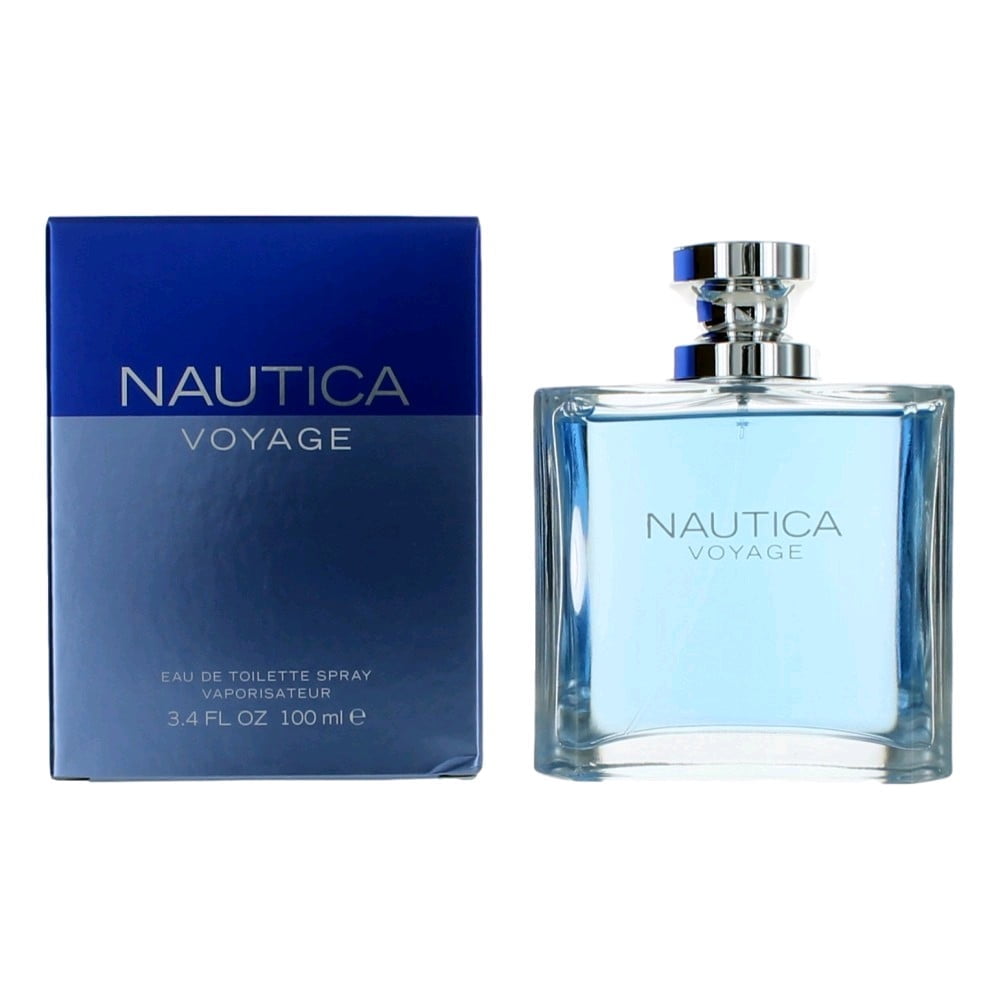
Nautica Voyage Eau de Toilette
The value benchmark for the whole aquatic category. Light enough to reapply without worry, which is exactly what an EDT is built for.
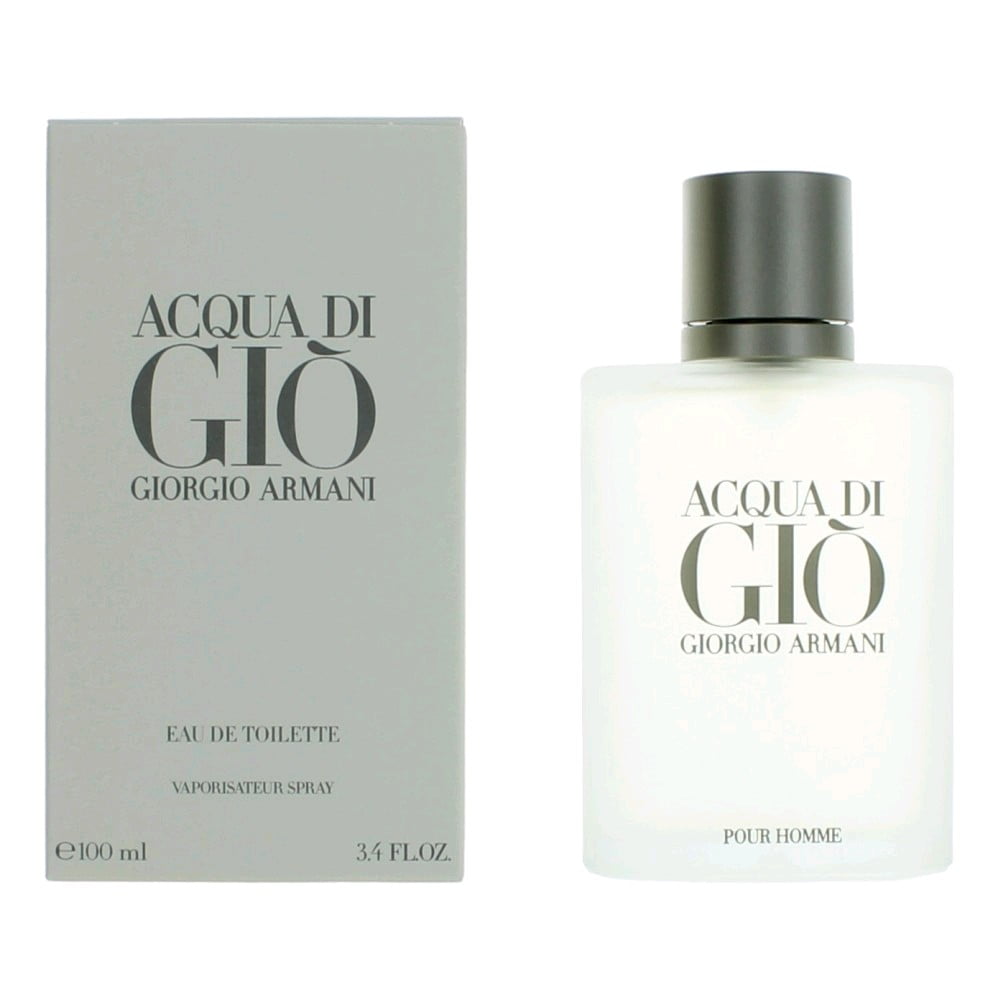
Giorgio Armani Acqua di Giò Eau de Toilette
The fragrance the entire "ocean cologne" category has been copying since 1996, still at the EDT concentration it launched with.
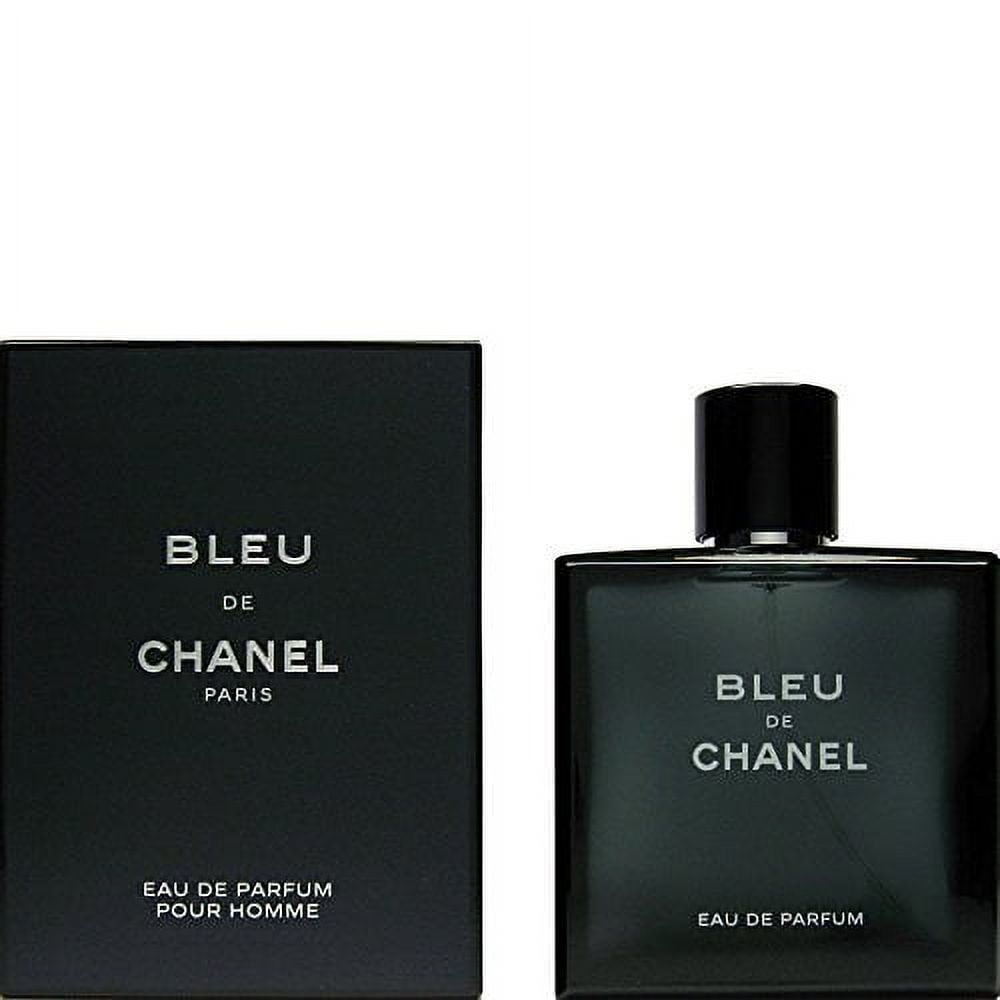
Bleu de Chanel Eau de Toilette
Proof that EDT doesn't mean "weak." This one is famous for a quiet, close-to-skin presence that's still unmistakably there.

Davidoff Cool Water Eau de Toilette
A 1988 classic that's stayed EDT-only its entire run, still one of the easiest fresh scents to find anywhere.
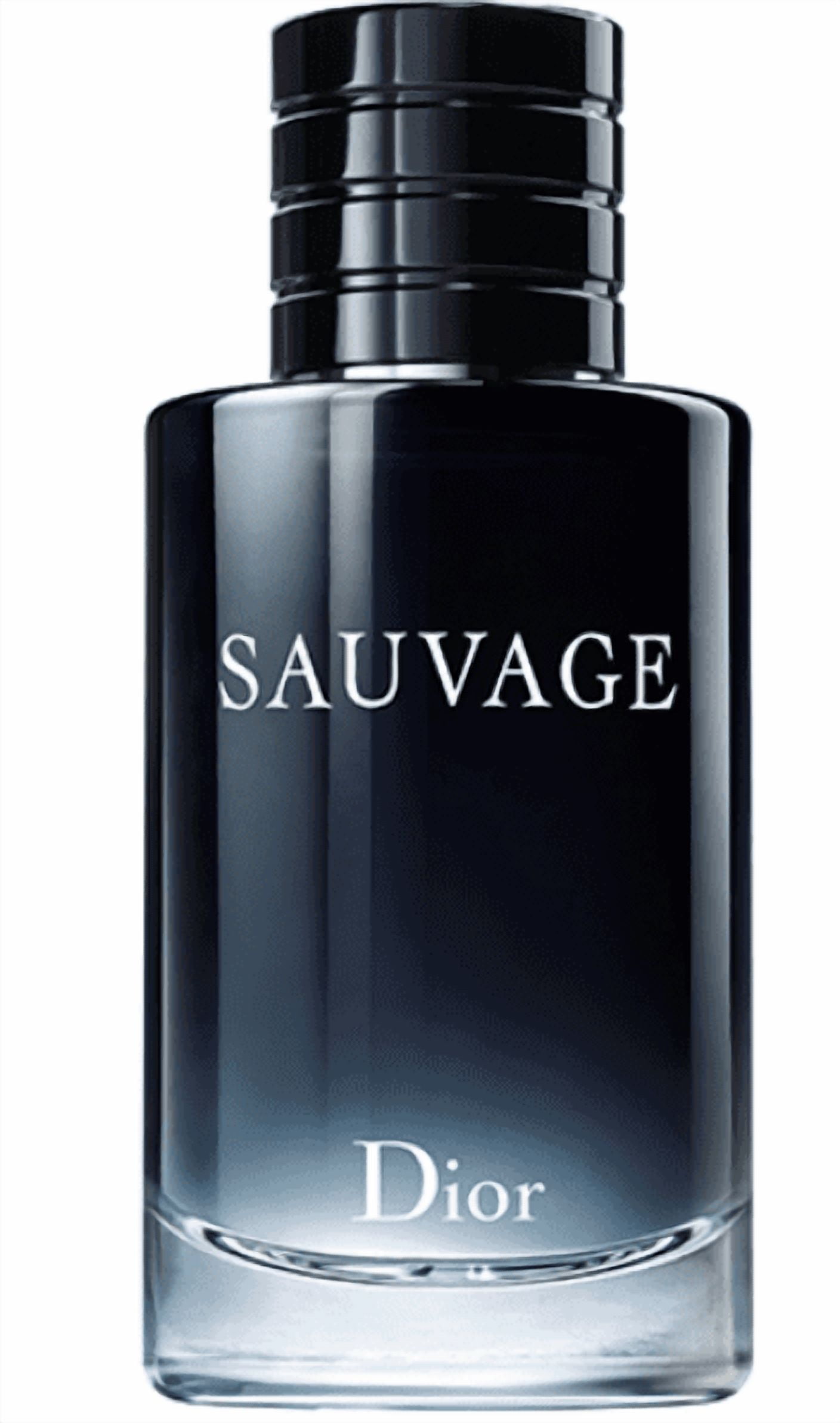
Dior Sauvage Eau de Toilette
The best-selling men's fragrance in the world, and proof that a well-built EDT can still outlast fragrances at higher concentrations.
The Full Spectrum at a Glance
| Concentration | Typical % | Lasts About | Best For |
|---|---|---|---|
| Eau de Cologne (EDC) | 2-4% | 1-2 hours | A very light, fleeting touch |
| Eau de Toilette (EDT) | 5-15% | 4-6 hours | Daily wear, warm weather, office |
| Eau de Parfum (EDP) | 15-20% | 6-8+ hours | Evenings, colder months, longevity |
| Parfum / Extrait | 20-40% | 8+ hours | Special occasions, worn sparingly |
See exactly what the extra money buys once you get past concentration, blend complexity, longevity, and packaging.
The Honest Take
The concentration label isn't a quality signal, it's a dilution ratio. A well-blended EDT can outlast a mediocre EDP, and a great EDP is a genuinely different experience from the same scent at EDT strength, not just "more of it." If you're only ever going to own one bottle, EDT is the safer, more versatile choice for the reasons above. If you already know you want something to survive a full evening out in the cold, that's when EDP earns its higher price.
More Cologne Guides
FAQs
EDT (Eau de Toilette) is typically 5 to 15 percent fragrance concentrate diluted in alcohol, and EDP (Eau de Parfum) is typically 15 to 20 percent. The higher concentration in EDP means it generally lasts longer on skin and projects a bit further, at a higher price for the same bottle size.
Not better, just different, and not always what you want. EDT is lighter, fades faster, and is harder to overapply, which makes it the safer everyday choice, especially in warm weather or close quarters like an office. EDP makes more sense for evenings, colder months, or when you specifically want a scent to last through a long day.
Eau de Cologne is the lightest common concentration, typically 2 to 4 percent, originally named after the German city where the format was invented in the 1700s. It's used colloquially to mean any men's fragrance, but as an actual concentration label it means the lightest, most fleeting version, usually gone within an hour or two.
Concentration sets the ceiling, but skin chemistry, body temperature, and even hydration levels change how a fragrance actually performs once it's on you. The same EDT can last four hours on one person and eight on another. Concentration is the most reliable lever you control, but it's not the only variable.