Nautica Voyage costs around twenty-eight dollars. Dior Sauvage costs around one hundred fifteen. Both are Eau de Toilette, both are fresh, both will get you through a workday without offending anyone. The honest question is not whether the expensive one is better, in most measurable ways it is. The question is whether the specific things it does better are things a stranger three feet away will ever notice, and for a lot of the price gap, the answer is no.
Here is what the extra eighty-seven dollars actually buys, ranked by how much of it you can smell.
Where the Money Goes
| Upgrade | What Changes | Do You Notice? |
|---|---|---|
| Concentration tier | Usually nothing, both are Eau de Toilette | No, this is not what the price buys |
| Blend complexity | More layered notes, longer development on skin | Yes, mostly to yourself over the day |
| Longevity and projection | Tends to last longer and carry further, on average | Yes, this is the real difference |
| Bottle and packaging | Heavier glass, better cap, nicer box | Only when someone sees it on your dresser |
| Brand recognition | People clock the name, not the formula | Sometimes, and it cuts both ways |
| Marketing spend | Ad campaigns baked directly into the retail price | No, you're just paying for it |
The first one is the biggest myth. The next two are where a premium bottle earns its price. The last three are status and overhead, not scent.
The One That Genuinely Matters
Longevity and projection
This is the most defensible reason to spend more. A well-formulated premium fragrance is built to develop through top, heart, and base notes over several hours, and to project a few feet off the skin without needing a reapplication at lunch. Budget colognes, Nautica Voyage included, tend to sit closer to the skin and fade faster. If your main complaint about your current cologne is that it's gone by early afternoon, this is a real, fixable-by-spending-more problem.
The One That Sounds Important and Is Not
Concentration tier. It is tempting to assume the expensive bottle is Eau de Parfum and the cheap one is Eau de Toilette, and that the parfum's higher oil percentage is what you're paying for. Check the label before you assume that: Dior Sauvage and Nautica Voyage are both sold as Eau de Toilette. The concentration is the same tier. You are not buying more fragrance oil when you spend more here, you are buying a different formula entirely.
Comparing Across the Price Range
| Cologne | Price Tier | What You Get | Price | |
|---|---|---|---|---|
| Nautica Voyage EDT | Budget | Fresh aquatic, the value benchmark | ~$28 | Shop on Amazon → |
| Davidoff Cool Water EDT | Budget | Classic aquatic-citrus, wider availability | Check price | Shop on Amazon → |
| Giorgio Armani Acqua di Giò EDT | Mid | The original ocean scent this whole family copies | ~$80 | Shop on Amazon → |
| Dior Sauvage EDT | Premium | Best-selling men's cologne worldwide, longest legs here | ~$115 | Shop on Amazon → |
What the Jump From $28 to $115 Actually Buys
Using the two ends of this lineup as the example: Nautica Voyage at around twenty-eight dollars and Dior Sauvage at around one hundred fifteen. That's roughly four times the money.
What you get is a more complex scent that develops over the day instead of smelling the same at hour eight as it did at hour one, plus meaningfully better projection and staying power. What you do not get is a fragrance that smells four times better to the people around you. Most people three feet away cannot tell the difference between a well-applied twenty-eight dollar cologne and a well-applied hundred-dollar one. They can tell the difference between one that's still there at 6pm and one that faded by lunch.
So the upgrade is worth it if longevity and projection are your actual complaint, or if you want the complexity for yourself, since a lot of what premium fragrance offers is experienced by the wearer over the day, not broadcast to a room. It is not worth it if you're buying the name for what it signals, because that's a real thing people do, just not a scent upgrade.
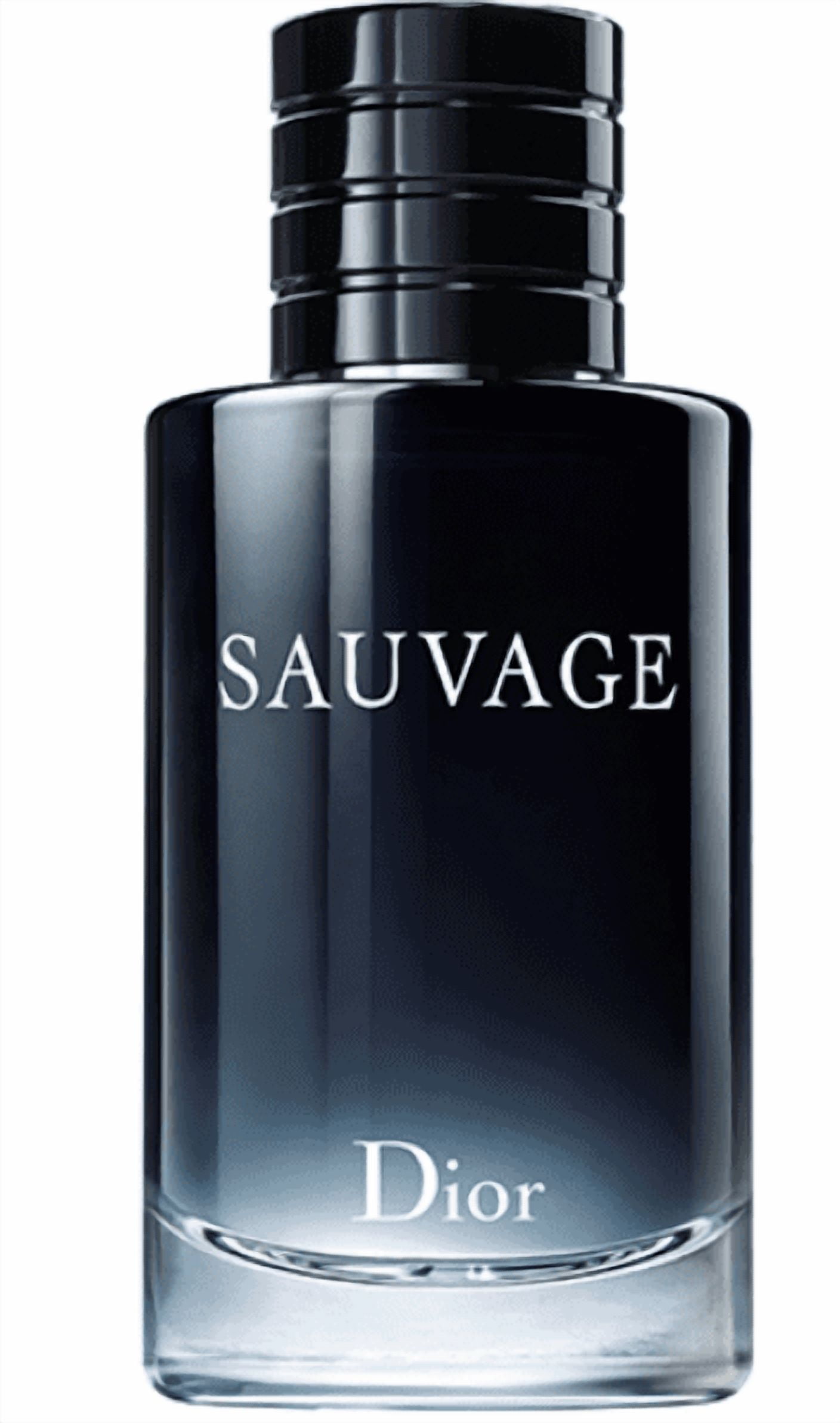
Dior Sauvage Eau de Toilette
The step up worth taking if longevity and projection are your actual complaint, or if you just want the more complex formula for yourself. The best-selling men's fragrance in the world for a reason, though a meaningful share of that price is the name.
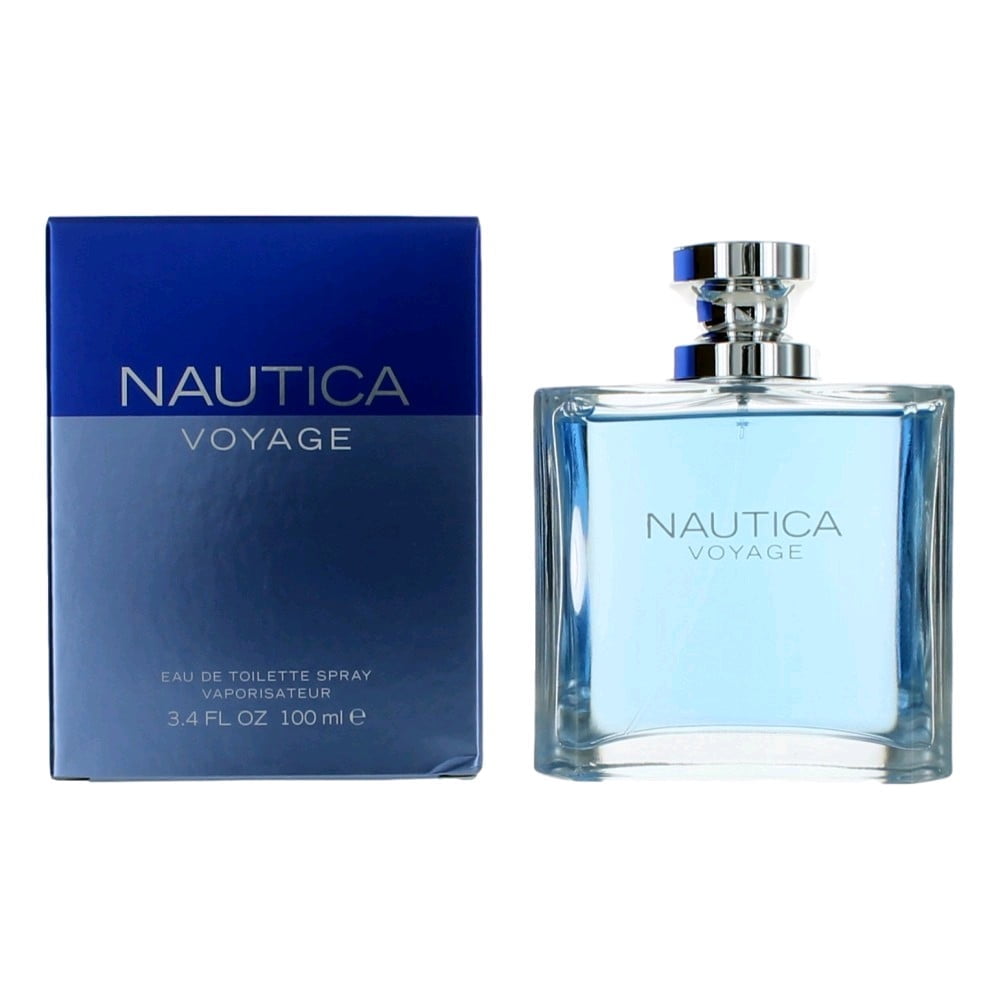
Nautica Voyage Eau de Toilette
The benchmark for what twenty-eight dollars buys, and frequently compared favorably to pricier ocean-family scents it resembles. If this smells good on you, the case for spending more is about longevity and complexity, not about smelling better.
A large share of men who conclude they need a stronger cologne actually need better technique. Spray pulse points, not your shirt. Don't rub it in, that breaks down the molecules and kills longevity. Moisturized skin holds scent far longer than dry skin. A four-spray routine done right on hydrated skin will outlast an eight-spray routine on dry skin, regardless of what's in the bottle. Try that before spending eighty more dollars, because a premium cologne applied badly will disappoint you too.
Where the Real Math Lands
Cost per wear tells a different story than the sticker price. A 3.4oz bottle holds roughly 100 sprays at a normal application. At four sprays a wear, that's about 25 wears per bottle either way. So Nautica Voyage runs a little over a dollar a wear, and Dior Sauvage runs closer to $4.60 a wear. The premium bottle is the worse value on paper. It's a better buy specifically for the men who will notice and care about the longevity and complexity difference, and a worse one for one who just wants to smell clean for a normal workday.
So What Should You Actually Buy?
Buy budget if
- You reapply once or twice a day anyway, so all-day wear isn't the goal
- You want a rotation of a few scents rather than one signature
- You're new to cologne and don't yet know what families you like
- Your actual problem is application technique, not the bottle
Spend more if
- You need one scent to genuinely last from morning meeting to dinner
- You want the layered, developing formula for yourself, not just for others
- You've already dialed in application and still want more projection
- You want a signature scent and are fine paying for the complexity
The Honest Summary
The gap between a twenty-eight dollar cologne and a hundred-fifteen dollar one is real, but it's mostly longevity and complexity rather than a fundamentally better smell to the people around you. Start with a good budget option, fix your application technique, and wear it for a few weeks. If fading by early afternoon is still the problem after that, that's a specific complaint a premium bottle genuinely solves, and you'll be upgrading for a reason instead of a hope.
More in This Series
- Best Cologne for Men in 2026 (main guide)
- Best Men's Cologne Under $50
- Budget vs. Premium Cologne: What Are You Actually Paying For? (you are here)
FAQs
Not automatically. Concentration tier (Eau de Toilette vs Eau de Parfum) is often the same at both price points, so you are not paying for more fragrance oil. What you are more reliably paying for is blend complexity, brand recognition, and packaging, with longevity and projection improving on average but not universally.
Both are Eau de Toilette concentration, so the price gap is not about oil percentage. It comes down to a more layered scent formulation, significant celebrity marketing spend baked into the retail price, and the brand-recognition premium that comes with wearing a globally recognized name.
Often, but not always, and the gap is smaller than the price gap suggests. Application technique (pulse points, moisturized skin, spray count) affects longevity more than most men expect, and a well-applied budget scent will outlast a poorly-applied expensive one.
Yes. It is a fresh, clean aquatic scent frequently compared favorably to pricier ocean-family fragrances, and it is one of the most consistently recommended budget colognes for exactly that reason. It will not match a premium scent's projection or complexity, but as an everyday option under thirty dollars it is hard to beat.