The Steve Madden Dixon runs about seventy dollars. The New Balance 990v6 runs about two hundred. Stand them next to each other on a shelf and a lot of guys couldn't tell you which one costs three times as much - both look sharp, both work with jeans or chinos. The honest question isn't which one looks better on day one. It's what happens by wear number one hundred.
Here's what the extra hundred thirty dollars actually buys, ranked by how much you'll actually feel it.
Where the Money Goes
| Upgrade | What Changes | Do You Notice? |
|---|---|---|
| How it looks on day one | Usually nothing, a well-chosen budget pair looks just as sharp | No, this is not what the price buys |
| Materials | Genuine suede and premium mesh vs. synthetic overlays | Yes, mostly in how it ages over months |
| Midsole cushioning and support | Purpose-built foam tech vs. basic cupsole construction | Yes, this is the real difference |
| Construction and stitching | More durable build, better resistance to breakdown | Yes, especially after 3+ months of wear |
| Brand cachet | Made in USA line carries real status among people who know | Sometimes, and only to a specific audience |
The first one is the myth. The next two are where a premium pair earns its price. The last one is a bonus, not the reason to buy.
The One That Genuinely Matters
Midsole cushioning and support
This is the most defensible reason to spend more. The New Balance 990v6 uses ENCAP midsole technology built specifically for all-day comfort and arch support, the kind of engineering that shows up on your feet after eight hours standing, not in a product photo. A budget cupsole sneaker can look identical in a mirror and still feel meaningfully worse by hour six. If your complaint about your current sneakers is that your feet are wrecked by the end of a long day, this is a real, fixable-by-spending-more problem.
The One That Sounds Important and Is Not
How it looks walking out of the box. It's tempting to assume the $200 pair simply looks better, and that's what you're paying for. Look at them side by side before you assume that: a well-chosen budget sneaker like the Dixon can look just as clean as a premium pair for the first few months. You are not buying a visibly nicer shoe when you spend more here, you're buying one that holds up and feels better over the months the cheaper pair starts to break down.
Comparing Across the Price Range
| Sneaker | Price Tier | What You Get | Price | |
|---|---|---|---|---|
| Steve Madden Dixon | Budget | Sharp look, solid everyday value | ~$70 | Shop on Amazon → |
| New Balance 550 | Mid | Editor's Pick, retro court style that works anywhere | ~$100 | Shop on Amazon → |
| Nike Air Force 1 Low | Mid | Timeless, the safest pick in any closet | ~$115 | Shop on Amazon → |
| New Balance 990v6 | Premium | Made in USA, best cushioning and support here | ~$200 | Shop on Amazon → |
What the Jump From $70 to $200 Actually Buys
Using the two ends of this lineup as the example: the Steve Madden Dixon at around seventy dollars and the New Balance 990v6 at around two hundred. That's just under three times the money.
What you get is genuinely better materials, meaningfully better cushioning and arch support, and a shoe that resists breaking down over months of regular wear. What you do not get is a shoe that looks three times sharper walking out the door. Most people can't tell a well-chosen $70 sneaker from a $200 one in a single glance. What they can tell, eventually, is which pair still looks and feels good after half a year of wear and which one is starting to fall apart.
So the upgrade is worth it if you're on your feet a lot and comfort is your actual complaint, or if you want a shoe that holds up over years instead of months. It's not worth it if you're chasing a specific look, since a well-chosen budget pair gets you there just as fast.

New Balance 990v6
The step up worth taking if you're on your feet a lot and comfort is the actual complaint, or if you want a shoe built to last years instead of months. The Made in USA line earns its price mostly in cushioning and construction, not in how it looks on day one.
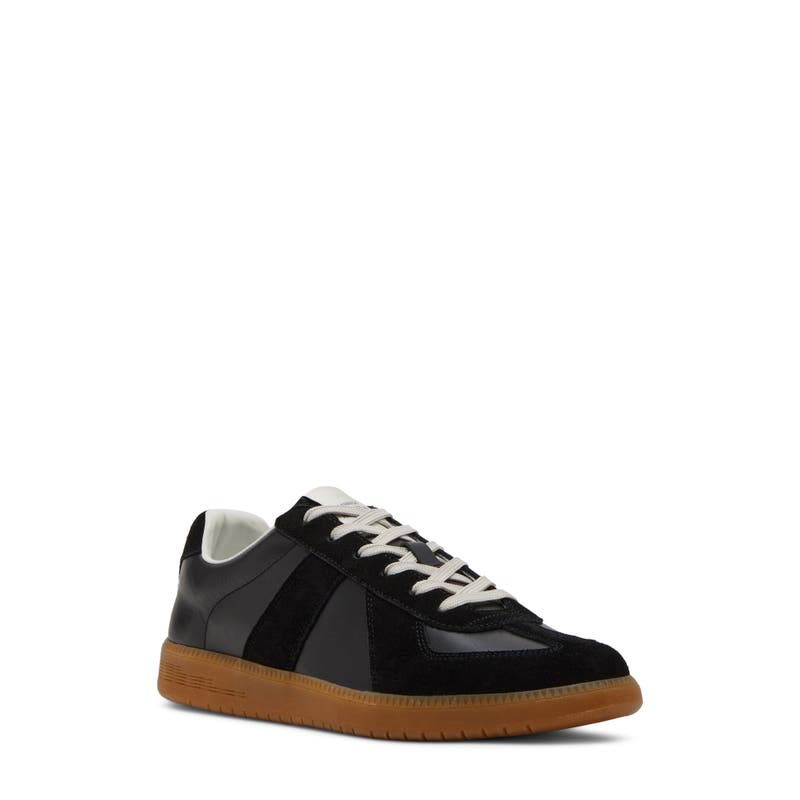
Steve Madden Dixon
The benchmark for what seventy dollars buys, and it holds its own for everyday casual wear. If this looks good on you, the case for spending more is about comfort and longevity, not about looking sharper.
A large share of men who conclude they need a better sneaker actually need the right size or a better insole. Half a size off in either direction will make even a premium shoe feel bad by hour four. A cheap insole swap can meaningfully improve comfort in a budget pair before you spend $130 more chasing a fix that was never about the shoe. Get the fit dialed in first, because a premium sneaker worn in the wrong size will disappoint you too.
Where the Real Math Lands
Cost per wear tells a different story than the sticker price. If a budget pair holds up for about 8 months of regular rotation and a premium pair holds up for close to 2 years, the Dixon runs roughly 29 cents a wear and the 990v6 runs closer to 27 cents a wear over that longer life, assuming 3 wears a week. The premium pair isn't actually the worse value once you account for how long it lasts, it's closer to a wash. It's the better buy specifically for the guy who'll actually get that extra life out of it through regular wear, and a worse one for someone who replaces sneakers on a whim regardless of price.
So What Should You Actually Buy?
Buy budget if
- You rotate through several pairs rather than wearing one on repeat
- You're chasing a specific look for a specific season
- You're not on your feet for long stretches regularly
- Your actual problem is fit or insoles, not the shoe itself
Spend more if
- You're on your feet for hours most days and comfort is the real issue
- You want one pair to genuinely hold up for a couple of years
- You've already dialed in fit and still want better support
- You care about the Made in USA construction story
The Honest Summary
The gap between a seventy dollar sneaker and a two hundred dollar one is real, but it's mostly comfort and durability rather than a shoe that looks dramatically better on day one. Start with a good budget pair, make sure the fit is actually right, and wear it in normal rotation for a few months. If your feet are still complaining after that, that's a specific problem a premium pair genuinely solves, and you'll be upgrading because you need to, not because you assume you do.
More in This Series
- Best Casual Sneakers for Men in 2026 (main guide)
- Budget vs. Premium Casual Sneaker: What Are You Actually Paying For? (you are here)
- New Balance 550 vs. Nike Air Force 1
- Best Men's Sneakers Under $100
- Chuck 70 vs. Chuck Taylor All Star
FAQs
Not automatically on looks. A well-chosen $70 sneaker and a $200 sneaker can both look sharp in a casual outfit. Where the price gap earns its keep is comfort, support, and how the shoe holds up after months of wear, not how it looks on day one.
The 990v6 is part of New Balance's Made in USA line, which uses higher-grade suede and mesh, ENCAP midsole cushioning built for all-day support, and more durable construction than typical budget cupsole sneakers. You're paying for engineering that shows up after 100 wears, not on day one.
Usually, but fit matters more than most men expect. The wrong size in a $200 shoe will break down just as fast as the wrong size in a $70 one. Get the fit right first, since that affects comfort and longevity more than price tier alone.
Yes, for what it is. It's a sharp-looking, budget-friendly option that holds its own for everyday casual wear. It won't match a premium shoe's cushioning or long-term durability, but as an under-$100 pick it's one of the better value plays available.