The Soundcore Q20i runs about fifty-five dollars. The Sony WH-1000XM5 runs about two hundred eighty. Both are over-ear, both have active noise cancellation, both play music at volumes your ears can actually use. The honest question isn't whether the expensive pair sounds better, on a good pair of studio monitors, most people would struggle to reliably pick the pricier one blind. The question is what the extra two hundred twenty-five dollars is actually buying, and whether it's something you'd notice on your daily commute.
Here's where that money goes, ranked by how much you'll actually feel it.
Where the Money Goes
| Upgrade | What Changes | Do You Notice? |
|---|---|---|
| Raw audio quality | Smaller gap than the price suggests on most tracks | Only on high-end source audio, rarely on Spotify streams |
| Active noise cancellation depth | More microphones, more processing power dedicated to it | Yes, this is the real difference on planes and open offices |
| Build materials and hinges | Metal reinforcement vs. mostly plastic construction | Yes, mostly in how it survives being tossed in a bag for years |
| App ecosystem and customization | EQ presets, adaptive sound, multipoint pairing | Sometimes, depends how much you tinker with settings |
| Brand recognition | People clock the name on the headband, not the sound | Sometimes, and it cuts both ways |
The first one is the biggest myth. The next two are where a premium pair earns its price. The last two are nice-to-haves, not sound quality.
The One That Genuinely Matters
Active noise cancellation depth
This is the most defensible reason to spend more. Premium noise cancellation uses more microphones and dedicated processing to model and cancel a wider range of ambient frequencies, the low rumble of a plane engine, the drone of an HVAC system, sudden voices nearby. Budget ANC, the Soundcore Q20i included, handles steady low-frequency noise reasonably well but struggles more with sudden or complex sound. If your main complaint about your current pair is that it doesn't actually go quiet on a flight or in an open office, this is a real, fixable-by-spending-more problem.
The One That Sounds Important and Is Not
Raw audio quality. It's tempting to assume the two-hundred-eighty-dollar pair simply sounds better across the board, and that's the main thing you're paying for. Play the same lossless track through both before you assume that: on typical listening volumes through a phone, the difference is far smaller than the price gap implies, and plenty of critical listeners can't reliably tell them apart blind. You are not buying dramatically better sound when you spend more here, you're buying noise cancellation, build quality, and features.
Comparing Across the Price Range
| Headphones | Price Tier | What You Get | Price | |
|---|---|---|---|---|
| Soundcore Q20i | Budget | Real ANC, the value benchmark | ~$55 | Shop on Amazon → |
| Beats Fit Pro | Mid | True wireless, best for training and workouts | ~$170 | Shop on Amazon → |
| Sony WH-1000XM5 | Premium | Best-in-class ANC, the industry benchmark | ~$280 | Shop on Amazon → |
| Bose QuietComfort Ultra | Premium | Best comfort for all-day wear | ~$349 | Shop on Amazon → |
What the Jump From $55 to $280 Actually Buys
Using the two ends of this lineup as the example: the Soundcore Q20i at around fifty-five dollars and the Sony WH-1000XM5 at around two hundred eighty. That's roughly five times the money.
What you get is meaningfully deeper noise cancellation, sturdier build materials that hold up better over years of daily use, and a more capable companion app. What you do not get is music that sounds five times better. Most people on a normal commute, through a phone, on a normal streaming track, cannot reliably tell a well-tuned budget pair from a premium one in a blind listen. They can tell the difference between a pair that actually silences a loud environment and one that only takes the edge off.
So the upgrade is worth it if noise cancellation on planes, trains, or open offices is your actual complaint, or if you want a pair built to survive years of daily commuting. It's not worth it if you're chasing better music quality specifically, since a well-tuned budget pair gets you most of the way there for a fraction of the cost.
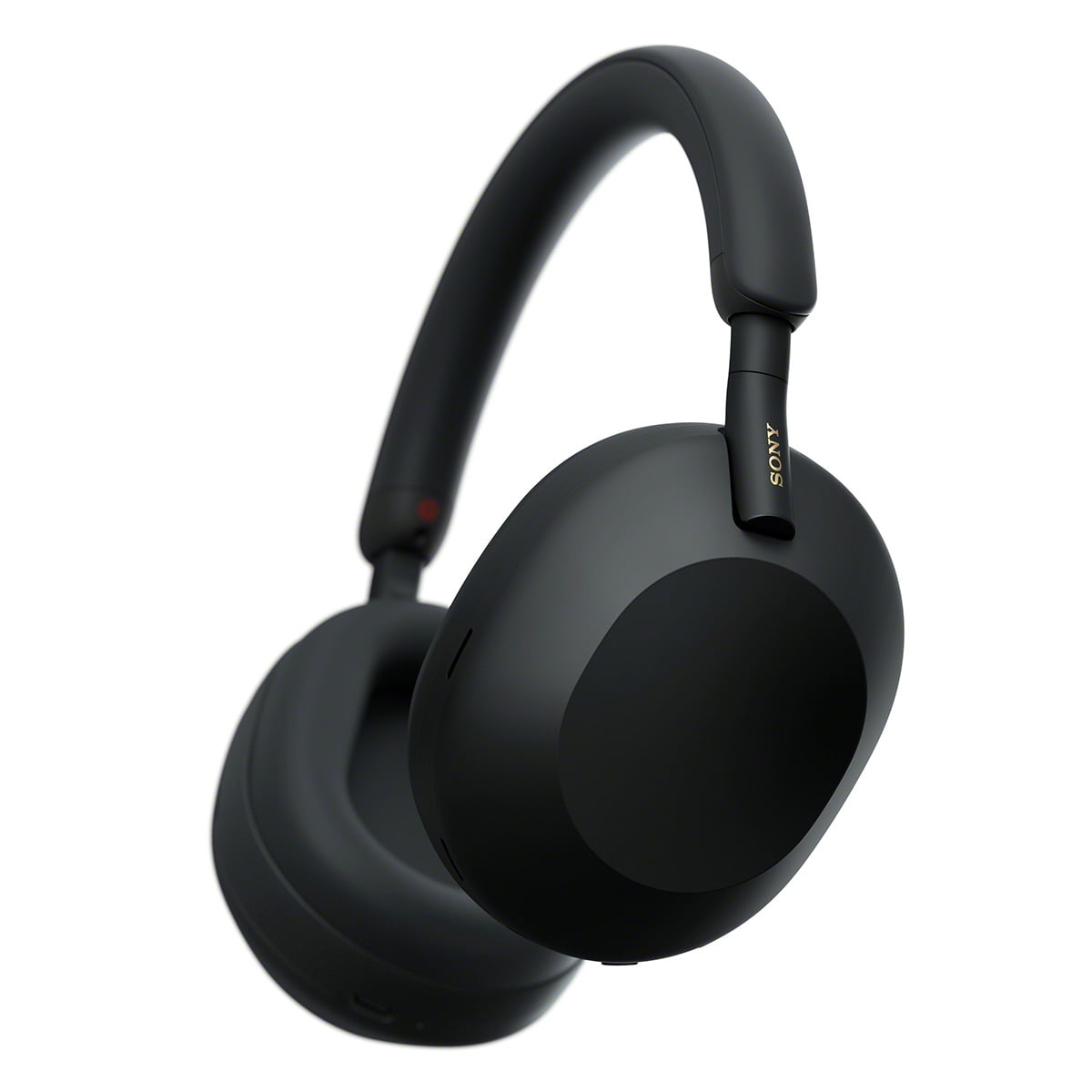
Sony WH-1000XM5 Wireless Headphones
The step up worth taking if plane and open-office noise are your actual complaint, or if you want a pair built to survive years of daily commuting. The industry benchmark for ANC for a reason, though a meaningful share of that price is the processing power behind the cancellation, not the speakers themselves.

Soundcore by Anker Q20i
The benchmark for what fifty-five dollars buys, and it holds its own against pairs costing far more for everyday noise. If this handles your daily commute fine, the case for spending more is about noise cancellation depth and build quality, not about sound.
A large share of people who conclude they need better headphones are actually listening to compressed, low-bitrate streams. Switching a streaming app to its highest audio quality setting, and making sure Bluetooth codec support matches (AAC or aptX over basic SBC), often closes more of the gap than a hardware upgrade would. Try that before spending two hundred more dollars, because premium headphones fed a bad source still sound like a bad source.
Where the Real Math Lands
Cost per year of use tells a different story than the sticker price. A budget pair used daily typically holds up for 1 to 2 years before the ANC or battery degrades noticeably. A well-built premium pair often lasts 3 to 5 years of the same daily use. So the Q20i runs roughly $30-55 a year, and the WH-1000XM5 runs closer to $56-93 a year over its longer life. The premium pair isn't the dramatically worse value it looks like on the sticker price, it's closer to a wash once you account for how long it actually lasts. It's the better buy specifically for someone who'll put daily miles on them for years, and a worse one for someone upgrading phones and gadgets every year or two anyway.
So What Should You Actually Buy?
Buy budget if
- You mostly listen through a phone on standard streaming quality anyway
- Steady background noise, not sudden sounds, is what you're blocking out
- You replace gadgets every year or two regardless of how well they hold up
- Your actual problem is source audio quality, not the headphones
Spend more if
- You fly or commute through loud, unpredictable noise regularly
- You want one pair to genuinely hold up for several years of daily use
- You've already fixed your source audio and still want more clarity
- You use the companion app features (EQ, multipoint, adaptive sound) daily
The Honest Summary
The gap between a fifty-five dollar pair and a two-hundred-eighty dollar one is real, but it's mostly noise cancellation and durability rather than a fundamentally better listening experience on an average day. Start with a good budget pair, fix your source audio quality, and use it for a few months. If loud environments are still the problem after that, that's a specific complaint a premium pair genuinely solves, and you'll be upgrading for a reason instead of a hope.
More in This Series
- Best Headphones for Men in 2026 (main guide)
- Budget vs. Premium Headphones: What Are You Actually Paying For? (you are here)
FAQs
In two specific areas, yes: active noise cancellation quality and build durability over years of daily use. Raw sound quality differences are much smaller than the price gap suggests, and a well-tuned budget pair can sound close to a premium one to most listeners.
The gap is mostly noise cancellation processing, materials that hold up over years of daily wear, and companion app features like adaptive sound control. Base audio quality is closer between the two than the price difference implies.
Usually, mainly due to hinge quality, ear cushion materials, and battery longevity over hundreds of charge cycles. But how you store and charge them affects lifespan more than most people expect, and a well-cared-for budget pair can outlast a neglected expensive one.
Yes. It offers real active noise cancellation and solid battery life at a fraction of premium pricing, and it is one of the most consistently recommended budget ANC headphones for exactly that reason. It will not match a premium pair's noise cancellation depth or app ecosystem, but as an everyday option under sixty dollars it is hard to beat.