The Whoop 5.0 costs about $199, and that price includes your first 12 months of membership. After that, it renews annually to keep working. The Amazfit Helio Strap costs about $100, once, with no membership at all. Both are screenless bands built to answer the same morning question: is your body recovered enough to push hard today.
The honest question isn't which one is cheaper on day one. It's whether the thing you're paying for every year after is something you'll actually use.
Where the Money Goes
| What's Different | What It Actually Means | Do You Need It? |
|---|---|---|
| Getting a recovery score at all | Both devices deliver this, subscription or not | No, this isn't the subscription's job |
| Algorithm depth and validation | Whoop's scoring is built on a larger dataset with more granular coaching detail | Yes, if you're following structured programming |
| Ongoing cost after year one | Whoop renews annually. Amazfit does not renew at all | This is the real number to plan around |
| Screenless, 24/7 wearability | Both bands are built the same way, lightweight and screen-free | No, this is not what sets them apart |
The first and last rows are a wash between them. The middle two are where the subscription either earns its keep or doesn't.
The One That Genuinely Matters
Algorithm depth for structured training
This is the honest case for the subscription. Whoop's strain and recovery scoring is built specifically for guys running real programming, competitive training blocks, or anyone who wants to know precisely how hard yesterday's session actually was on their body, not just a general sense of it. The coaching layer that comes with the membership is doing real analytical work, comparing your data against your own baseline over time to flag things a simpler algorithm won't catch. If you're training with real structure and intent, that ongoing refinement is worth paying for.
The One That Sounds Important and Is Not
That you need a subscription to get useful recovery data in the first place. It's easy to assume Whoop's format, screenless, always-on, strain and recovery scored, is only possible with an active membership behind it. The Amazfit Helio Strap proves otherwise: same core format, same all-day wear, same daily readout of whether you're recovered, with no membership required at all. You are not paying the subscription to unlock basic recovery tracking. You're paying it for how much deeper and more tailored that tracking gets.
What the Subscription Actually Costs Over Time
Year one, the gap looks like a straightforward price difference: about $199 for Whoop versus about $100 for Amazfit, roughly double. But that's not the real comparison, because Whoop's $199 already includes the first year of membership baked in. The real divergence starts in year two, when Whoop renews and Amazfit doesn't. Three years in, Whoop's all-in cost has climbed well past its sticker price while Amazfit's total spend hasn't moved from that first $100. The device price was never the number that mattered here. The renewal is.
So the subscription is worth it if you'll still be using that deeper coaching data in year three, not just year one. It's not worth it if you mainly want the same daily readout Amazfit already gives you for free after purchase.
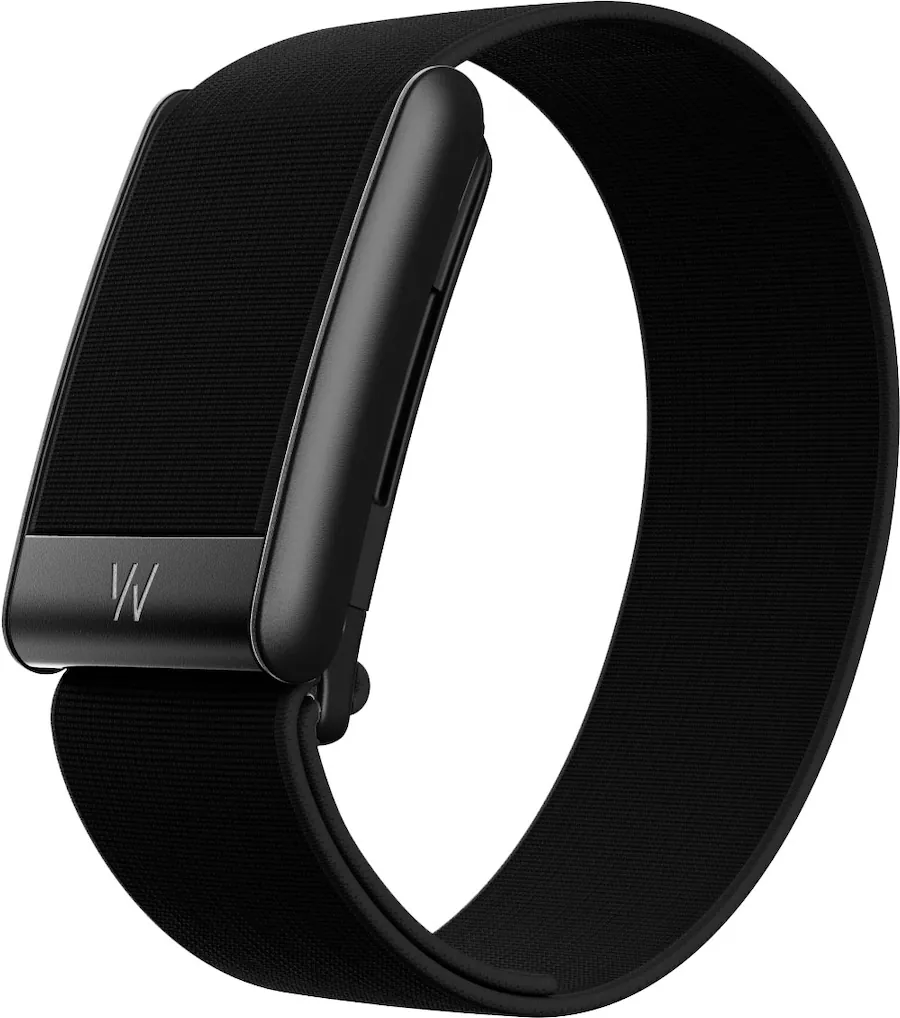
Whoop 5.0 One - Health & Fitness Tracker
The step up worth taking if you're training with real structure and want the deepest, most tailored recovery data available. The first year is bundled into the purchase price, but budget for the renewal every year after if you're keeping it long-term.

Amazfit Helio Strap
The honest benchmark for what you get with no ongoing cost. If the core question you're asking every morning is whether you're recovered enough to train, this answers it without a renewal bill waiting for you next year.
Write down the actual question you want answered every morning. If it's "am I recovered enough to train hard today," a non-subscription tracker answers that directly, no renewal required. If it's "exactly how much did yesterday's session cost my body, down to the detail, compared against my own long-term baseline," that's a genuinely different, more specific question, and it's the one Whoop's subscription is built to answer. Most guys are asking the first question and paying for the second.
So What Should You Actually Buy?
Get the one-time purchase if
- You mainly want a daily yes-or-no on training readiness
- You don't want a recurring bill tied to a wearable
- You're newer to structured training and don't yet know if you'll stick with a tracker
- You'd rather put that ongoing $199 a year toward something else
Get the subscription if
- You're running real programming and want data precise enough to adjust it
- You've already tried a basic tracker and wanted more depth
- You train competitively and recovery timing genuinely changes your decisions
- You're confident you'll still want this data in year three, not just year one
The Honest Summary
The gap between these two isn't really about which device is better, it's about whether an annual bill is buying you something you'll actually use. Start with the question you're really trying to answer each morning. If a one-time-purchase tracker answers it, there's no reason to take on a renewal. If you find yourself wanting more precision than that gives you, that's a real, specific reason to upgrade, and you'll know it because you hit the ceiling, not because the marketing implied you needed it from day one.
More in This Series
- Best Fitness Trackers for Men in 2026 (main guide)
- Whoop's Subscription vs. a One-Time Tracker: What Are You Actually Paying For? (you are here)
FAQs
It depends on how seriously you train. Whoop's subscription buys a more granular, more validated recovery algorithm and coaching features built specifically for structured training. If you're following a real program and want to fine-tune intensity day to day, it earns its cost. If you mainly want to know whether you're generally recovered, a non-subscription tracker answers that same question for free after the initial purchase.
No. Most fitness trackers, including the Amazfit Helio Strap, Fitbit Charge 6, and Garmin Vivoactive 6, deliver full recovery, sleep, and heart rate tracking with no subscription at all. Whoop is the notable exception, since its core recovery and strain scoring only works through an active membership.
The $199 purchase price includes the first 12 months of membership. After that, the membership renews annually to keep the device's recovery and strain scoring active. A non-subscription tracker has no equivalent renewal cost once you've bought it.
Yes, for most people. It covers the same core format, a lightweight screenless band tracking recovery and strain, without any membership. It won't match Whoop's algorithm depth or coaching detail, but it delivers the specific insight most guys actually check daily: whether their body is recovered enough to train hard.