
5 Fitness Myths That Are Wasting Your Time
Every gym has a guy repeating advice he heard from another guy who heard it from a forum post in 2011. Some of it's harmless. Some of it is actively keeping people from getting results, or scaring them away from the training that would actually help. Here are five myths that need to retire, and what the evidence actually supports instead.
"Cardio kills your gains"
This one's been repeated so often in lifting circles that a lot of guys skip cardio entirely out of fear it'll quietly erase their strength progress. It's treated as settled fact instead of the oversimplification it actually is.
There's a real phenomenon called the "interference effect," but it's much narrower than the myth suggests. It shows up mainly when you do a lot of high-volume endurance training (think marathon-level mileage) combined with heavy strength work in the same session, with minimal recovery between them. Moderate cardio, a few times a week, spaced out from your lifting sessions, doesn't meaningfully blunt strength or size gains for the average person training for general fitness. It improves recovery, cardiovascular health, and work capacity, which usually makes your lifting sessions better, not worse.
"If you're not sore, it didn't work"
Delayed onset muscle soreness gets treated like a receipt, proof that a workout counted. No soreness the next day gets read as a wasted session, which pushes people toward chasing pain instead of progress.
Soreness is mostly a sign your body isn't fully adapted to a specific stimulus yet, not a measure of workout quality. It shows up most after new exercises, new rep ranges, or a long break from training, and it fades as your body adapts, even while your strength keeps climbing. Some of the most productive training blocks produce almost no soreness at all once your body's used to the movements. Progressive overload, tracked with actual numbers, is a far better signal than how much you can't sit down the next day.
"You can spot-reduce fat with the right exercises"
Endless ab circuits, promised to finally reveal that six-pack. Side bends to "melt love handles." The idea that you can target fat loss to a specific body part with the right exercise selection is one of the most persistent myths in fitness marketing.
Fat loss happens across the whole body, governed largely by overall calorie balance and genetics that determine where you lose fat first and last. Doing 500 crunches a day builds ab muscle underneath whatever fat is covering it, but it doesn't preferentially burn fat from that spot. Visible abs come from a low enough body fat percentage overall, achieved through diet and total training volume, with direct ab work playing a supporting role at best.
"More protein always equals more muscle"
If 1g per pound of bodyweight is good, more must be better, right? Some guys stack protein shakes on top of protein-heavy meals, assuming there's no ceiling on how much extra protein translates into extra muscle.
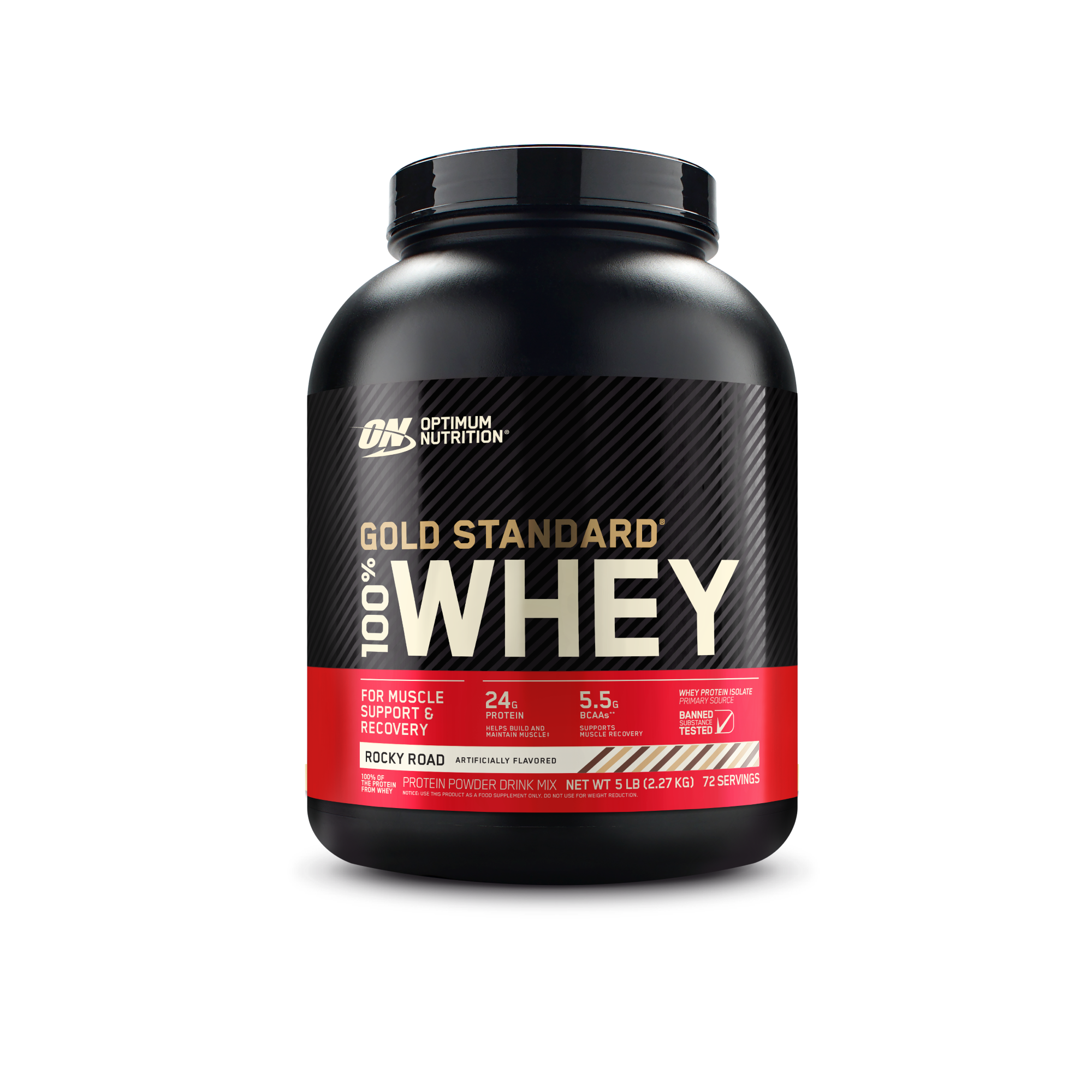
Muscle protein synthesis has a practical ceiling. Research generally supports roughly 0.7 to 1g of protein per pound of bodyweight as the range where most people see the benefit, with returns flattening out well before you double that number. Protein beyond what your training and recovery can actually use gets used for energy or stored like any other excess calories, not converted into extra muscle. A quality protein source covers the gap most people actually have; more isn't the lever people think it is once you're already hitting your target.
"You need to constantly switch up your routine to avoid plateaus"
The advice to "confuse your muscles" with constant program-hopping gets repeated as a way to keep making progress. New program every few weeks, different exercises every session, all in the name of avoiding a plateau.
Muscles don't get "confused," and the research on program variation doesn't support constant switching as a driver of results. What actually drives progress is progressive overload: adding weight, reps, or sets over time on a consistent set of movements you can track. Constantly changing exercises makes that tracking nearly impossible, since you're always starting over as a beginner on a new lift. Plateaus are usually caused by lack of progressive overload, poor recovery, or diet, not by doing the same core exercises for more than a few weeks. A program you stick with long enough to master and progress on almost always beats one you abandon every month.
The Common Thread
Every myth on this list survives because it sounds intuitive and gives you something simple to measure: pain, soreness, program novelty, protein grams. Actual progress is less dramatic and less satisfying to talk about at the gym. It's consistent training, tracked and slowly overloaded, over months, not weeks. None of these five myths are actively dangerous, but all five waste time, energy, or money that could go toward the boring, unglamorous stuff that actually works.
What to Track Instead
- The weight on the bar over time: if it's trending up on your main lifts over 8 to 12 weeks, the program is working, regardless of soreness.
- Total weekly training volume: sets and reps across your sessions matter more than which specific exercises you rotate through.
- Body measurements and progress photos, not just the scale: especially relevant for anyone chasing visible muscle, since the scale doesn't distinguish fat loss from muscle gain.
- Recovery quality: sleep and stress affect results more than most training variables people obsess over instead.